Plant-based cat food used to be a fringe idea. Now it pops up in pet stores, Instagram feeds, and vet waiting rooms. People ask about it for real reasons: ethics, food allergies, and concerns about the environmental cost of meat.
Still, a label that says “vegan” or “plant-based” doesn’t tell you whether a food is safe. Cats aren’t small dogs, and they aren’t flexible eaters. They’re built for animal prey, which means nutrition details matter more than the philosophy.
This guide lays out the vet-style basics: why veterinarians are cautious, which nutrients can’t be “optional,” what current research does and doesn’t show, and how to judge whether a plant-based cat food is actually complete. If you decide to try it anyway, you’ll also get a practical plan for switching and monitoring your cat without guessing.
Why vets are cautious: cats are obligate carnivores, not flexible eaters
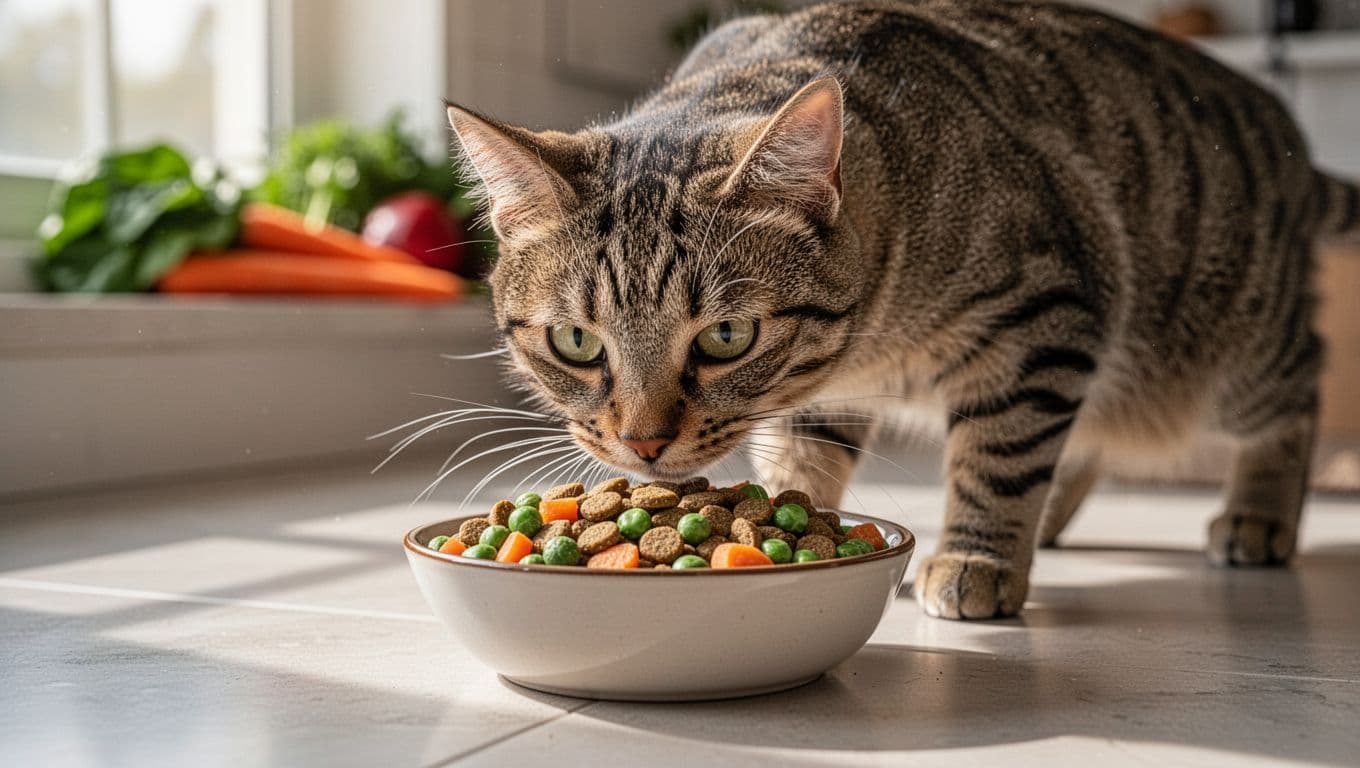
Cat inspecting a plant-based kibble bowl at home, created with AI.
“Obligate carnivore” sounds like jargon, but the meaning is simple: cats need specific nutrients that naturally come from animal tissue. They can’t make enough of certain compounds on their own. In other words, a cat can’t thrive on “good intentions” plus vegetables the way some other species can.
That biology shows up in everyday health outcomes. When key nutrients are missing, problems can build quietly for months. By the time you notice weight loss, coat changes, or less play, the issue can already be serious.
In 2026, vets aren’t speaking with one voice on vegan cat food. Some say it can work if (and only if) the diet is complete, balanced, and consistently eaten. Others still recommend meat-based diets as the safer default, mainly because long-term controlled studies are limited, and the downside of mistakes is high. A cat’s diet is like the foundation of a house. If it’s off by a little, the cracks may not show right away.
The nutrients cats cannot miss (and why plant diets can fall short)
When vets worry about plant-based cat food, they aren’t talking about “protein” in a vague way. They’re thinking about specific nutrients and whether the cat can absorb and use them.
Here are the big ones that can’t be treated like optional add-ons:
Taurine: Cats can’t make enough taurine. If intake is too low, the risk includes heart disease (dilated cardiomyopathy), vision problems, and reproductive issues. Even if a formula lists taurine, the amount and stability matter. Heat processing and storage can change what’s available. For signs and risks, see PetMD’s taurine deficiency overview.
Arachidonic acid: This fatty acid supports skin, coat, and normal body functions. Cats don’t convert plant fats into enough arachidonic acid.
Preformed vitamin A (retinol): Many animals convert beta-carotene into vitamin A. Cats don’t do this well, so they need preformed vitamin A in the diet.
B vitamins (especially niacin and B6): Cats have higher needs for some B vitamins because of how they process protein. If levels drift low, appetite, skin, and energy can suffer.
Highly digestible protein and the right amino acids: A bag can show a high protein percentage, yet still fall short on essential amino acids or digestibility. Cats need usable building blocks, not just a number on the label.
If a food is missing even one of these, it’s not “mostly okay.” Over time, it can become a medical problem.
What the latest research suggests, and what it does not prove yet
A lot of the strongest recent discussion comes from large owner-reported surveys. One widely cited 2023 paper in PLOS One (Andrew Knight and colleagues) reported that cats fed vegan diets had similar, and sometimes better, guardian-reported health measures compared with meat-fed cats, after adjusting for demographic factors. You can read the full printable paper here: PLOS One study on vegan versus meat-based cat food.
That sounds encouraging, and it may be. However, surveys have limits. Owners may choose different diets for different reasons, and reporting can be imperfect. Also, “vegan diet” in a survey often means a commercial product, not a homemade recipe. Those are not the same thing.
On the other side, earlier analyses of vegan pet foods found some products did not meet all nutrient requirements. That’s the core tension in 2026: well-formulated foods might work, but poorly formulated foods can fail in ways that aren’t obvious at first.
If you want a balanced, plain-language look at the uncertainty, this overview is helpful: The Conversation’s take on vegan cat diets. The practical takeaway is simple: don’t treat the category as “safe” or “unsafe.” Judge the specific food, and monitor the specific cat.
How to tell if a plant-based cat food is actually complete and safe
If you’re standing in a store aisle, your cat can’t read the ingredient list. You have to do the safety checks for them.
The goal is not to find a food that “sounds clean.” The goal is to find one that meets recognized nutritional standards, has quality control, and gives you evidence, not vibes. This is where many well-meaning owners get tripped up by boutique marketing, influencer hype, or a single dramatic testimonial.
Start with this mindset: cats need nutrients, not ingredient purity. A plant-based cat food can only be as good as its formulation and testing.
For broader guidance on how veterinarians think about choosing cat food in general (before you narrow to plant-based), Texas A&M’s vet school overview is useful: Texas A&M guide to choosing cat food.
Label checks that matter: AAFCO statement, life stage, and feeding trials
These label details matter more than “grain-free,” “human-grade,” or a pretty photo of peas.
Look for the AAFCO nutritional adequacy statement. In the US, reputable cat foods usually state that the product is complete and balanced for a specific life stage based on AAFCO nutrient profiles, or that it passed AAFCO feeding trials.
Match the life stage. Kittens, pregnant cats, and nursing cats have different needs than adult cats. “All life stages” can be appropriate, but it also raises the bar for nutrient density. If your cat is a kitten, don’t settle for “adult maintenance.”
Prefer feeding trials when available. “Formulated to meet” means the recipe was designed to hit targets on paper. Feeding trials mean real animals ate the food under controlled conditions. Trials don’t guarantee perfection, but they reduce guesswork.
A quick way to think about it:
Claim type on label
What it usually means
Why it matters
“Animal feeding tests using AAFCO procedures…”
The food was tested in a feeding trial
Stronger real-world signal
“Formulated to meet AAFCO…”
Nutrients were calculated to meet profiles
Relies more on formulation and quality control
After you find a product that clears these checks, take one more step: look at the company’s transparency. Can they share a full nutrient analysis (not just “guaranteed analysis”)? Do they have a qualified formulator on staff? Do they answer questions quickly and clearly?
Red flags vets see: homemade recipes, “supplement powder fixes,” and vague claims
Plant-based cat food becomes risky fast when it turns into a DIY project. Cats aren’t forgiving of small, repeated errors.
Vets commonly worry when they see:
Homemade vegan recipes from the internet: Even well-written recipes often miss critical nutrients or underestimate how much a cat actually eats. Measurement drift happens, too.
“Just add this supplement powder” plans: A single powder rarely solves everything, especially for amino acids, fatty acids, and vitamin balance. Mixing errors and selective eating can still wreck the math.
No clear taurine strategy: “Naturally occurring taurine” and “plant taurine” claims should raise your eyebrows. Taurine is typically supplemented in pet foods for a reason.
Vague adequacy language: If the label doesn’t clearly say complete and balanced for cats, treat it like a treat, not a meal.
Extreme health promises: Be wary of foods that claim to prevent disease, cure allergies, or replace veterinary care. Nutrition can support health, but it’s not magic.
A simple gut-check helps: if a brand can’t explain its formulation and testing in plain English, it probably can’t protect your cat from long-term gaps.
For a clear explanation of why many animal welfare groups still caution against vegan feeding for cats, see: ASPCA on why cats can’t be vegan.
If you still want to try it, do it the way a vet would
Some cats do fine on a properly formulated plant-based diet. Others won’t touch it, or they’ll develop issues that need a quick course correction. The safest approach is controlled and boring. That’s a compliment.
Before switching, think about your cat’s “risk level.” Kittens, seniors, pregnant cats, and cats with kidney disease, heart disease, or urinary issues should not be switched casually. These cats need a direct plan with your veterinarian, and sometimes the answer is simply “don’t switch.”
If your cat is a stable adult and your vet agrees a trial is reasonable, treat the change like you would any medical experiment. One variable at a time, careful tracking, and a plan to stop if the data looks bad.
A safe transition plan and what to monitor at home
Switching too fast is the easiest way to cause vomiting, diarrhea, or a hunger strike.
A typical transition takes 7 to 14 days:
Days 1 to 3: 75% old food, 25% new food
Days 4 to 6: 50% old, 50% new
Days 7 to 9: 25% old, 75% new
Day 10 onward: 100% new food (only if all is going well)
Meanwhile, keep the rest of life steady. Don’t introduce new treats, new litter, or new routines during the switch.
At home, watch these basics daily:
Appetite and enthusiasm at meals
Weight (weekly is fine, daily is better for small cats)
Energy and play
Stool consistency and frequency
Vomiting (even “hairballs” can increase during diet changes)
Coat shine and dandruff
Water intake and litter box habits
Stop the transition and call your vet if your cat won’t eat for 24 hours, vomits repeatedly, has diarrhea that lasts more than 24 to 48 hours, or loses weight.
Vet check-ins and tests that can catch problems early
If you’re choosing plant-based cat food for ethical reasons, it’s tempting to avoid “medicalizing” the decision. Still, monitoring is what makes the choice safer.
Talk with your veterinarian before the switch. If possible, ask for a referral to a board-certified veterinary nutritionist, especially if your cat has a medical condition.
Baseline weight and body condition score, then recheck in 4 to 6 weeks
Basic bloodwork, so you have a starting point and can spot trends
Urinalysis, since urine pH and crystals matter for cats, and plant-based diets can shift urine chemistry
Recheck timing, often again around 3 months if you stay on the diet
If your cat has a history of urinary problems, take this part seriously. It’s better to catch a urine issue early than to deal with pain, blockage risk, or emergency care later.
Conclusion: Put your cat’s biology first, always
Plant-based cat food isn’t automatically harmful, and it isn’t automatically safe. Cats have non-negotiable nutrient needs, and the margin for error is small. A plant-based diet only has a chance of working when it’s complete and tested, and when your cat reliably eats it.
If you’re considering the switch, choose evidence over ideology. Check for clear AAFCO adequacy language, match the right life stage, and avoid DIY recipes. Then monitor your cat like you would if a vet prescribed a new diet, because that’s essentially what you’re doing.
Your cat doesn’t care about the label. They care about feeling good every day, and that’s the priority.
Indoor cats don’t burn many calories, so extra bites add up fast. That “just a little more” can turn into weight gain that raises the risk of diabetes, arthritis, and a shorter lifespan. The good news is you can prevent most of it with simple, steady feeding habits.
A lot of cat nutrition myths push owners toward overfeeding, like trusting the bag’s serving size, leaving food out all day, or assuming indoor cats need the same calories as active outdoor cats. Another common mistake is thinking “grain-free” or “raw” automatically means healthier, when what matters most is a complete, balanced diet and the right portion.
In this post, you’ll learn which myths cause indoor cats to pack on pounds, how to estimate daily calories (a useful starting point is about 20 to 30 calories per pound of ideal body weight), and how to adjust portions safely. Because needs change with age, size, and body condition score (BCS), you’ll also get a simple way to check whether your cat should maintain, lose, or gain a little weight.
First, what really drives an indoor cat’s calorie needs?
Calories are just fuel, like gas in a car. More fuel lets your cat move, play, grow, and stay warm. Less fuel fits a quieter day. Food can be love too, but calories aren’t love. If you pour extra fuel into a parked car, it doesn’t go farther, it just overflows.
This matters more for indoor cats because their days often look the same: lots of naps, a few short sprints, and not much roaming. No hunting, no long patrols, and fewer stairs than you think.
A typical indoor day includes a lot of rest, which lowers calorie needs, even for young adult cats (created with AI).
Before you estimate calories, get two simple definitions straight:
Ideal body weight: the weight your cat should be for their frame, not what the scale says today (especially if they’re already heavy).
Maintenance calories: the amount that keeps weight steady at a healthy size.
Weight loss calories: a lower, vet-guided target that helps your cat slim down safely, without risking muscle loss or liver issues.
Once you focus on ideal weight and lifestyle, most feeding decisions get easier.
The big factors that change calories: weight, age, neuter status, and activity
Weight (and frame size) sets the baseline. Bigger cats usually need more calories than smaller cats because they have more body to maintain. Still, the word “usually” matters. Two cats can weigh the same and need different amounts if one carries more body fat and less muscle. That’s why ideal body weight beats current weight for planning portions.
Quick example: a petite 8-pound cat with a small frame may maintain on a noticeably smaller daily portion than a sturdy 14-pound cat with a large frame. Even if they both beg the same.
Age changes what your cat’s body is trying to do. Kittens are building everything at once, bone, muscle, organs, and a growing brain. Because of that, kittens and young cats can need a lot more calories than an adult. On the other end, many seniors slow down and burn less. However, not every older cat needs fewer calories. Some older cats lose muscle, struggle with dental pain, or have health issues that change appetite and absorption. If your senior is dropping weight without trying, get a vet check, do not just “feed more” and hope.
Neuter status affects energy needs, and the change can be real. After spay or neuter, many cats burn fewer calories and feel hungrier. Hormones shift, activity may dip, and weight can creep up fast if portions stay the same. The Association for Pet Obesity Prevention notes spayed or neutered cats often need fewer calories than intact cats, so portion control matters early after surgery (see their cat feeding calculator).
If your cat was neutered and nothing else changed, the “right” portion may still need to change.
Activity level is the indoor reality check. Indoor cats can be athletic, but most spend more hours resting than we guess. They also don’t do the slow, steady movement outdoor cats do, like roaming a yard or climbing fences. Instead, they sprint for 20 seconds, then sleep for two hours. That pattern usually means fewer daily calories.
If you want a simple mental picture: an outdoor cat may “walk to work” all day. An indoor cat tends to “work from the couch,” with a few hallway zoomies.
A simple way to estimate calories without guessing
You don’t need a complicated calculator to get a solid starting point. A common, beginner-friendly baseline for many indoor adult cats is:
Start around 20 calories per pound of ideal body weight per day, then adjust based on results.
So if your cat’s ideal weight is about 10 pounds, a reasonable starting estimate is around 200 calories a day. From there, you fine-tune.
Two important clarifiers make this method safer and easier:
Use ideal body weight, not current weight. If your cat is 14 pounds but should be closer to 11, feed for 11 (with vet guidance), not 14.
Food labels vary a lot. A “cup” is not a calorie unit. Dry foods can pack far more calories per scoop than you expect, while many wet foods are lower per can. Always check the calories listed as kcal on the label.
If you want a vet-style approach without turning it into a math class, vets often start with a resting estimate (what your cat would need just to exist), then multiply by a lifestyle factor (indoor, active, weight loss). That’s the basic idea behind “RER times a factor.” You do not need to memorize the formula to benefit from the concept: base needs plus lifestyle adjustment.
For a clear walk-through of the calculator approach, PetPlace has a practical guide on calculating daily cat calories. Use it as a reference, then keep your plan simple.
Here’s how to adjust without overthinking it:
If your cat gains weight over 3 to 4 weeks, reduce the daily calories a bit.
If your cat loses weight too fast or seems hungry all the time, increase slightly, add measured low-cal treats, or add a bit more wet food volume.
If weight is steady and BCS looks good, keep going.
Most importantly, ask your vet to confirm ideal weight and a safe target, especially if your cat needs to lose weight. That one data point makes every estimate more accurate.
How to use body condition score (BCS) at home in 60 seconds
The scale in your bathroom only tells you a number. Body condition score (BCS) tells you what that number means. Vets commonly use a 1 to 9 scale, where 1 is too thin, 9 is obese. For most cats, the sweet spot is BCS 4 to 5.
From above, a healthy cat usually has a visible waist, like a gentle hourglass, not a straight tube (created with AI).
Think of BCS like checking a peach. You don’t need to weigh it to know if it’s firm, soft, or bruised. Your hands can tell you a lot fast.
Aim for this feel and shape:
Ribs: You should feel ribs with light pressure, but they shouldn’t stick out sharply.
Waist (view from above): Look for a visible waist behind the ribs, not a straight line.
Tuck (view from the side): The belly should tuck up slightly behind the ribcage, not hang low.
From the side, a small belly tuck is common at an ideal BCS, even if your cat has a loose “primordial pouch” (created with AI).
Use this quick 60-second at-home check once a month:
Feel the ribs with flat fingers, not poking. Light pressure should find them.
Look from above when your cat is standing. You want a waist behind the ribs.
Look from the side at standing height. Check for a gentle belly tuck.
Why BCS can matter more than the number on the scale: two cats can weigh 12 pounds, yet one is lean and muscular while the other carries extra fat. Also, a cat can lose muscle while staying the same weight, which is common in aging cats. BCS helps you catch those changes early, so you can adjust food before weight creeps up.
If the ribs are hard to find and the waist is gone, your cat likely needs fewer calories, even if the scale “isn’t that high.”
Common myths about indoor cats and calories (and what’s true instead)
Indoor cats are masters at convincing us they’re underfed. Add confusing label directions, calorie-dense foods, and busy schedules, and it’s easy to slide into habits that quietly cause weight gain. The myths below sound reasonable because they often come from real cat behavior, like grazing, begging, and loving crunchy food. The trouble is that many indoor cats don’t burn enough calories to “make room” for those extras.
Use this section as a reality check. For each myth, you’ll get the why, the truth, what to do instead, and one simple takeaway you can apply today.
Myth: “Indoor cats will self-regulate if food is always out”
A constantly full bowl makes it easy for some indoor cats to “graze” past their needs (created with AI).
Free-feeding (leaving food out all day) sounds natural because cats often eat multiple small meals in the wild. People also like it because it’s convenient, and some cats really do nibble without overdoing it. So the myth sticks.
It fails for many indoor cats for one big reason: the bowl becomes entertainment. A bored cat can wander over and snack the way a bored human wanders into the kitchen. Indoor life can be predictable, especially in small homes or during long workdays. Food is easy stimulation, and calories add up quickly when there’s no friction between “I feel like doing something” and “there’s kibble.”
Free-feeding also gets messy in multi-cat homes. One cat may be shy and eat less, while another plays hall monitor and eats everyone’s portion. Even if you buy “healthy” food, it’s still possible to overfeed. Many dry foods are calorie-dense, so a small extra scoop can be the difference between maintaining weight and gaining it.
For a veterinary perspective on common feeding beliefs, Royal Canin’s vet education resource covers several misconceptions, including how feeding style affects intake (see myths in cat nutrition).
What to do instead (simple swaps that work):
Set meal times: Start with 2 meals per day for most adults. If your cat acts frantic, split the same daily calories into 3 to 4 smaller meals.
Pre-portion the day’s food: Measure the total for the day in the morning, then only feed from that amount. This removes “just a little more” refills.
Use puzzle feeders for part of the ration: Your cat gets hunting-style work without extra calories. Even a simple treat ball can slow intake.
Try a timed feeder if you’re gone: It keeps the schedule consistent without leaving a full buffet out.
One underrated benefit of meals: you notice change faster. If your cat normally eats breakfast and suddenly doesn’t, that stands out. With free-feeding, appetite changes can hide for days because food disappears gradually.
Practical takeaway: Pick one method to add structure today, either two measured meals or a measured “daily allotment” container. Structure beats guessing.
Myth: “All indoor cats need about the same calories each day”
Two indoor cats can live the same lifestyle and still need very different calories (created with AI).
It’s comforting to hear a single number like “cats need 200 calories a day.” People want a clear target, and many articles or labels sound like there’s one right answer. The issue is that indoor cats are not interchangeable. Body size, frame, age, muscle mass, and neuter status all change how many calories a cat actually needs.
Here’s a quick comparison that shows why one-size-fits-all feeding doesn’t work:
Cat A: a petite 8-pound indoor cat with a small frame and lower muscle mass may maintain on a smaller daily intake.
Cat B: a 14-pound indoor cat with a large frame (and a healthy body condition) often needs more calories than Cat A, even if both nap most of the day.
Now add the most common curveball: overweight cats. If you feed based on current weight instead of ideal weight, you can accidentally “lock in” the extra pounds. For example, a cat that weighs 14 pounds but should be closer to 11 pounds may keep gaining if you feed for 14. The body doesn’t magically “reset” on its own. The math stays the math.
Another reason the myth hangs around is label confusion. Feeding guides on bags are often broad, and they assume an average cat, not your cat. They also can’t account for a cat that is bored, inactive, or sneaking food from another pet’s bowl.
A good rule for indoor cats is to treat calories like a thermostat, not a fixed setting. You pick a reasonable starting point, then adjust based on what your cat’s body does over time. If you want a vet-written overview that emphasizes individualized portions, Whisker’s vet-reviewed guide is a helpful reference (see a vet’s guide to how much to feed).
What to do instead (a realistic adjustment plan):
Aim for ideal weight, not current weight, when you set a calorie target.
Weigh your cat monthly (bathroom scale plus carrier works fine if your cat won’t sit still).
Adjust slowly, because big swings create big hunger and stress. A small shift is easier to stick with.
A practical adjustment range that works for many cats is 5 to 10 percent at a time. If your cat is gaining, reduce daily calories by about 5 to 10 percent and re-check in 3 to 4 weeks. If weight loss is too fast, add back 5 percent. This keeps you from over-correcting.
Also, avoid the trap of changing five things at once. If you switch foods, add treats, and start measuring all in the same week, it’s hard to know what helped.
Practical takeaway: Weigh monthly and adjust portions by 5 to 10 percent. Small changes beat dramatic “diet starts Monday” plans.
Myth: “Dry food is fine because it cleans teeth, and wet food is just ‘extra'”
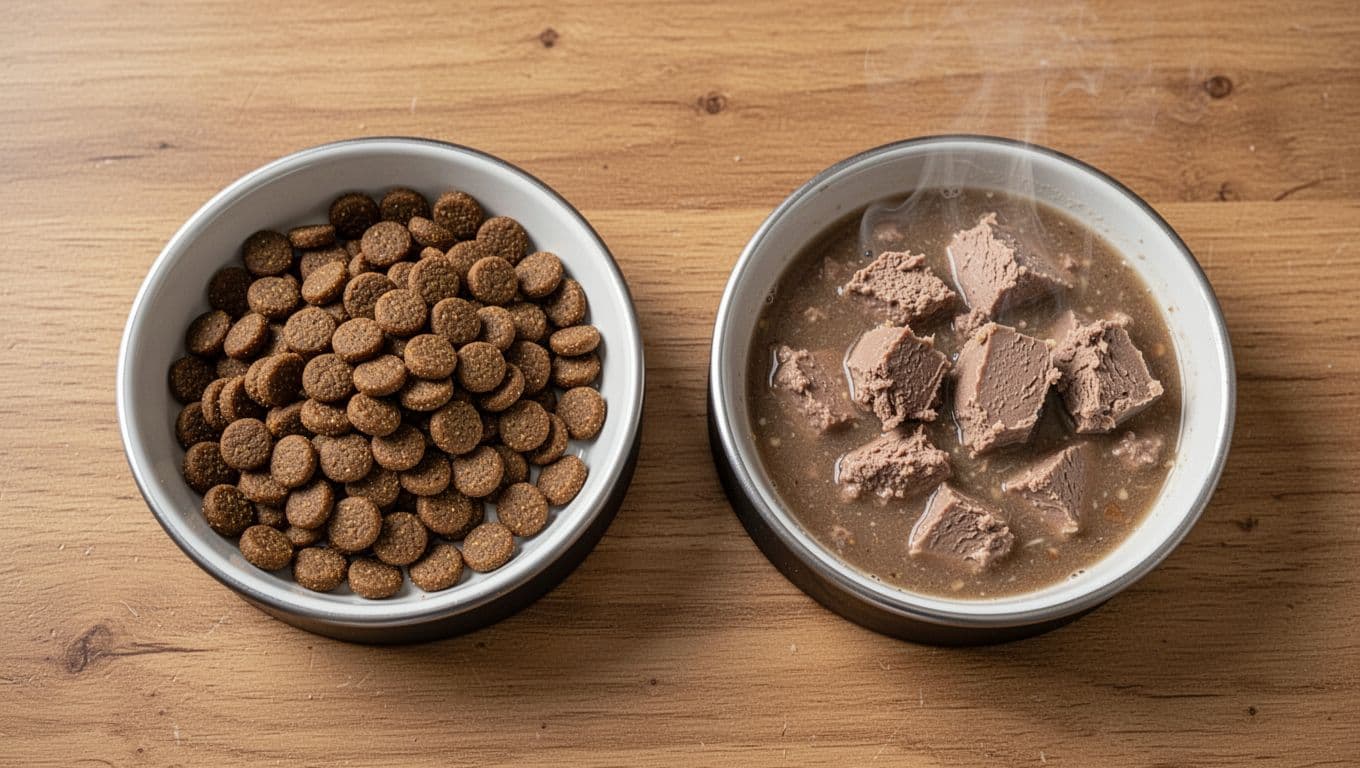
Dry and wet food can both fit an indoor cat’s plan, but they aren’t interchangeable for calories and moisture (created with AI).
This myth is popular because it sounds logical. Crunchy food feels like it should scrape teeth, and wet food can feel like a “treat” because it smells stronger and costs more. Many of us grew up hearing that kibble is better for teeth, so it becomes a default.
In reality, kibble does not reliably clean teeth for most cats. Many cats swallow pieces with minimal chewing, and typical kibble shatters easily. Dental health is about removing plaque at the gumline, and food alone rarely does that. A Chicago veterinary practice breaks down this myth clearly, including why dry food often doesn’t provide meaningful abrasive action (see seven dental myths for pets).
What actually helps teeth is not very exciting, but it works:
Tooth brushing (even a few times per week helps more than you’d think).
Veterinary dental cleanings when needed.
Dental products tested for oral health, like certain treats or diets designed for dental benefit (ask your vet what’s appropriate for your cat).
Now for the other half of this myth: calories and moisture.
Dry food is often much more calorie-dense per cup than people assume. Wet food contains far more water, so it can provide a larger portion size for fewer calories. That extra volume can help some indoor cats feel more satisfied, especially cats that act hungry all day.
Typical calorie ranges look like this (always confirm on your specific label):
Food type
Typical serving
Typical calories
Dry food (kibble)
1 cup
300 to 500 kcal
Wet food
3-oz can
70 to 100 kcal
The takeaway is not “wet good, dry bad.” It’s this: measuring matters more with kibble because a small scoop error can mean dozens of extra calories. Meanwhile, adding some wet food can boost moisture intake, which many vets like for urinary and hydration support in indoor cats.
If you feed both, you’ll get the best results when you treat the plan like a budget. Count the wet food calories, count the dry food calories, then stop at the day’s total.
What to do instead (an easy balanced approach):
If you like kibble for convenience, keep it, but measure with a real measuring cup (or a kitchen scale if you want to be precise).
Consider making wet food part of the routine, not a bonus. For example, wet for breakfast, measured kibble in a puzzle feeder later.
Don’t count on texture to do dental work. If dental health is a concern, talk to your vet and use products meant for teeth.
Practical takeaway: Choose food based on calories and your cat‘s needs, not dental myths. For teeth, brushing and vet care do the heavy lifting.
Myth: “If the bowl looks empty, my cat must be starving”
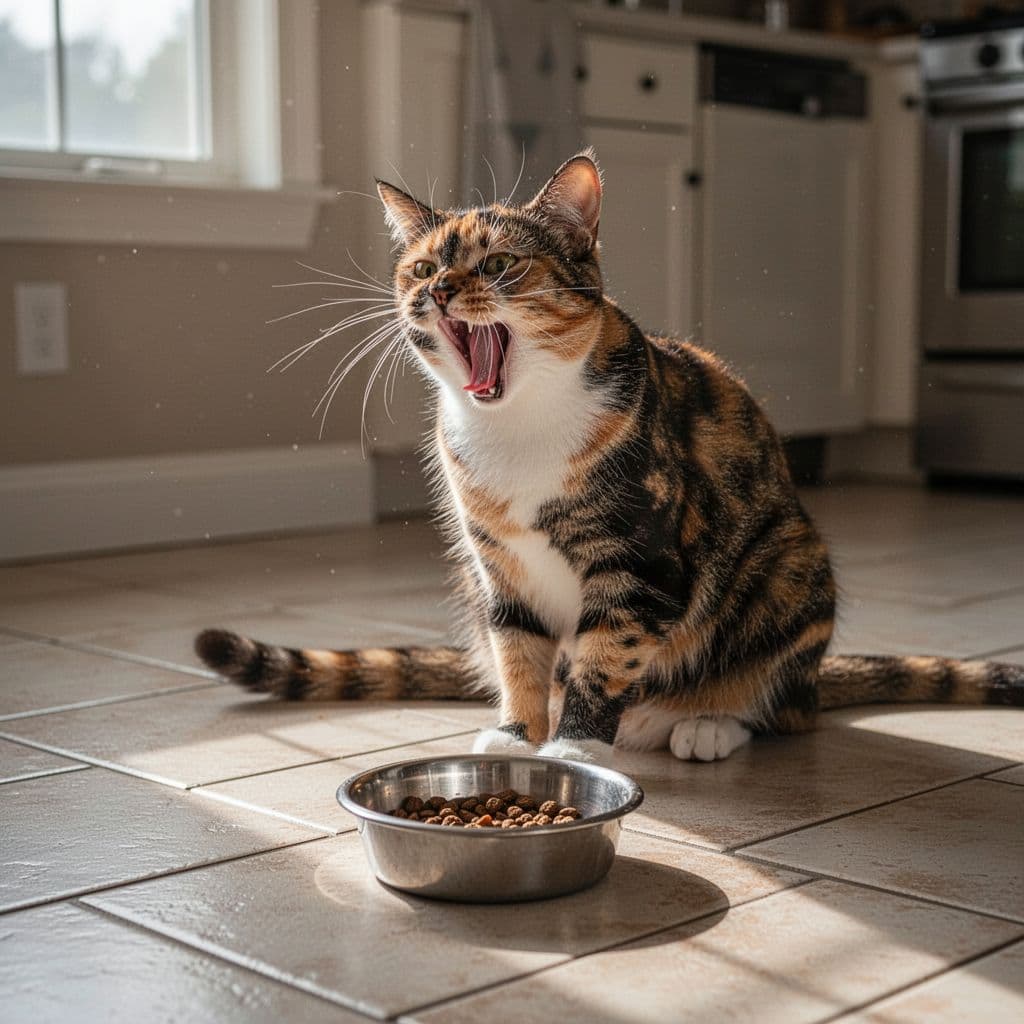
An empty bowl can trigger big opinions, but it doesn’t always mean true hunger (created with AI).
This myth persists because it feels caring. A bare bowl looks like a problem that needs fixing. Plus, cats are excellent at using noise, staring, and escorting you to the kitchen like you’re late for a meeting.
The truth is that many indoor cats are routine-driven. They learn patterns fast, and they train us just as much as we train them. If breakfast has happened at 7 a.m. for months, a cat may start begging at 6:30 a.m. because the habit is rewarding. In other words, begging can be a learned behavior, not a true calorie need.
Also, some cats simply enjoy food. That doesn’t make them “bad,” and it doesn’t mean they’re underfed. It means food is motivating, which is normal.
Instead of watching the bowl, watch the cat. A bowl can be empty and your cat can still be well-fed. On the other hand, a bowl can be full and your cat can be unwell. The cat’s body and daily habits tell the real story.
Here are signs that matter more than an empty dish:
Body condition: ribs hard to feel, no waist, or a belly that swings low can signal overfeeding.
Energy and play: a healthy cat has normal interest in play and movement for their age.
Coat and skin: dull coat or heavy shedding can hint at health or diet issues.
Litter box changes: big shifts in urine or stool deserve attention.
Fast appetite changes: sudden hunger can be medical, not behavioral.
If your cat’s begging is intense or new, take it seriously. Certain conditions (like thyroid disease in older cats) can increase hunger. That’s one reason scheduled meals help. You’ll spot changes sooner, and you’ll have clearer info for your vet.
Hunger vs habit (a quick way to tell):
Habit hunger often shows up as “I want food because it’s time.” Your cat might beg in the same spots, at the same hour, with the same dramatic performance. True hunger is more likely to come with weight loss, restlessness, or searching behavior that happens even after meals.
If begging is mostly habit, you can reduce it without adding many calories:
Add volume with wet food (within the same daily calories).
Use a timed feeder so your cat stops seeing you as the food dispenser.
Play for 5 to 10 minutes before meals. It burns a few calories and reduces frantic energy.
Break meals into smaller portions spread across the day.
For behavior-focused tips on reducing begging, Catster’s guide offers practical tactics you can try without reinforcing the meowing (see ways to stop begging).
Practical takeaway: Don’t “feed the empty bowl.” Feed the daily calorie plan, and judge success by body condition and energy.
Myth: “Treats don’t count, it’s just a little bite”
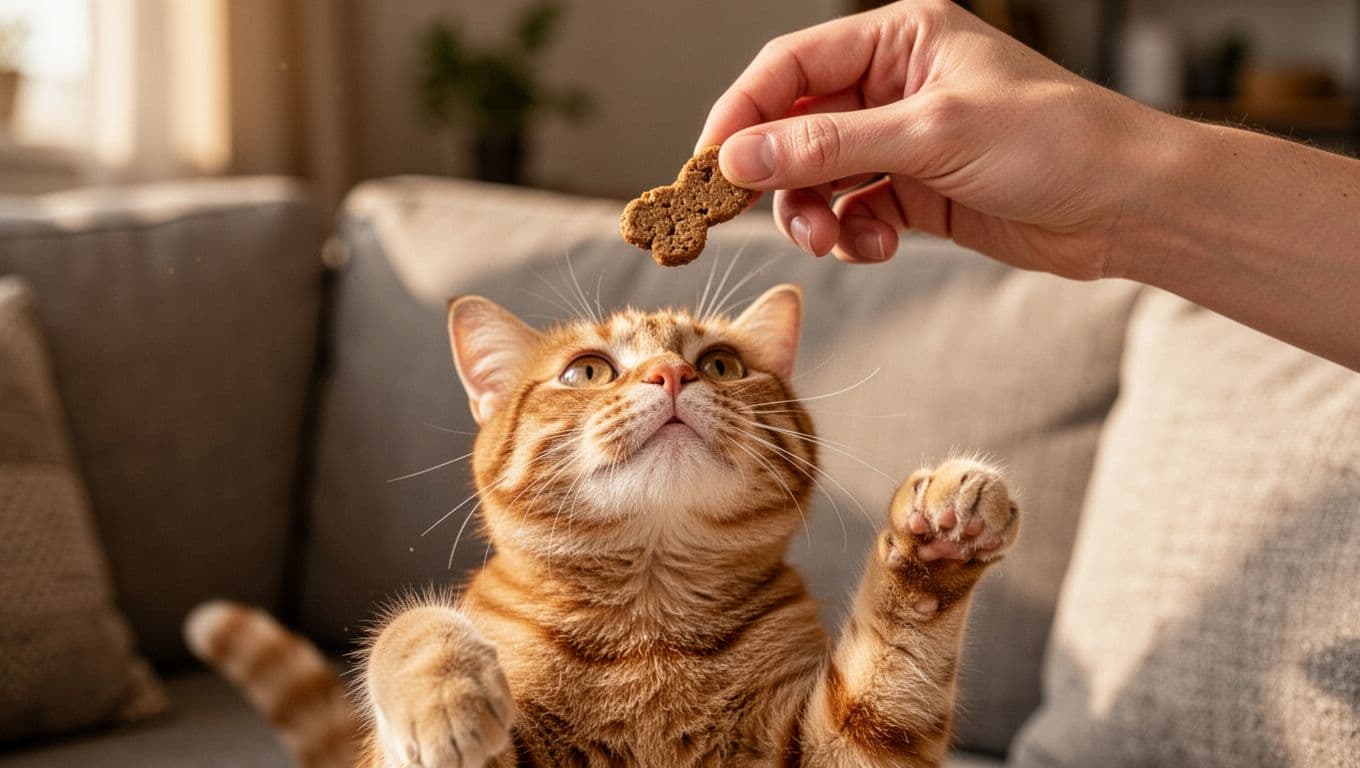
Treats feel small in your hand, but they can be a big chunk of an indoor cat’s daily calories (created with AI).
People believe this because treats are tiny, and cats look so happy when they get them. Also, “a little bite” feels harmless compared to a whole meal. The problem is that cats are small animals with small calorie budgets. A few extra treats can equal a big percentage of the day.
Vet guidance commonly uses the 10 percent rule: treats should make up no more than 10 percent of daily calories. VCA explains this clearly, including why treat calories matter for weight control (see treats should be up to 10%).
Here’s the easy math that makes it click:
If your indoor cat eats 200 kcal/day, then treats should be 20 kcal/day max.
If your cat’s target is 250 kcal/day, treats should be 25 kcal/day max.
That’s not much. A couple of crunchy treats, a lickable tube squeeze, and a “tiny” piece of cheese can blow past that limit fast.
Common hidden treat calories to watch:
Dental chews: Many are calorie-dense, even if they’re marketed for teeth.
Lickable tubes: Easy to over-squeeze, and cats beg for them hard.
Table scraps: A bite of chicken skin, butter, or deli meat can be a calorie bomb.
“Just a taste” while cooking: These are the calories that don’t get counted, and they add up.
Treats also matter because they can crowd out balanced nutrition. A complete cat food is built to meet nutrient needs. Random extras are not.
A smarter treat strategy keeps your cat happy without pushing calories over the edge:
Use part of the regular meal as treats. Take 10 to 20 kibbles from breakfast and use them as rewards later.
Pick lower-calorie options and read the label for kcal per treat.
Plan treats into the day instead of adding them on top.
Also, keep safety in mind. Some human foods are toxic to cats, and the list includes common kitchen ingredients. Avoid anything with onion, garlic, chocolate, or xylitol. If you suspect your cat ate something dangerous, contact your vet promptly.
Finally, don’t use dog food as a “treat meal” for cats. Cats need nutrients dog food doesn’t provide in the right amounts, including taurine, which is essential for heart and eye health. Cornell’s veterinary guidance emphasizes feeding cats a complete and balanced diet made for cats (see Cornell’s feeding your cat guide).
Practical takeaway: Write your cat’s treat budget on the container (for example, “20 kcal/day”). When the budget is spent, switch to play or cuddles.
Cat nutrition myths that indirectly cause overfeeding (even when calories seem ‘right’)
A lot of feeding mistakes happen even when you swear the calories are “right.” The issue is that nutrition myths can push you toward more energy-dense foods, bigger serving habits, or frequent diet changes that make portions drift up.
Think of it like filling a suitcase. Even if the suitcase weighs the same at first, swapping in bulkier items changes how it fits. With cat food, swapping ingredients, textures, and calorie density changes how much your cat eats and how full they feel. So you can end up overfeeding without meaning to.
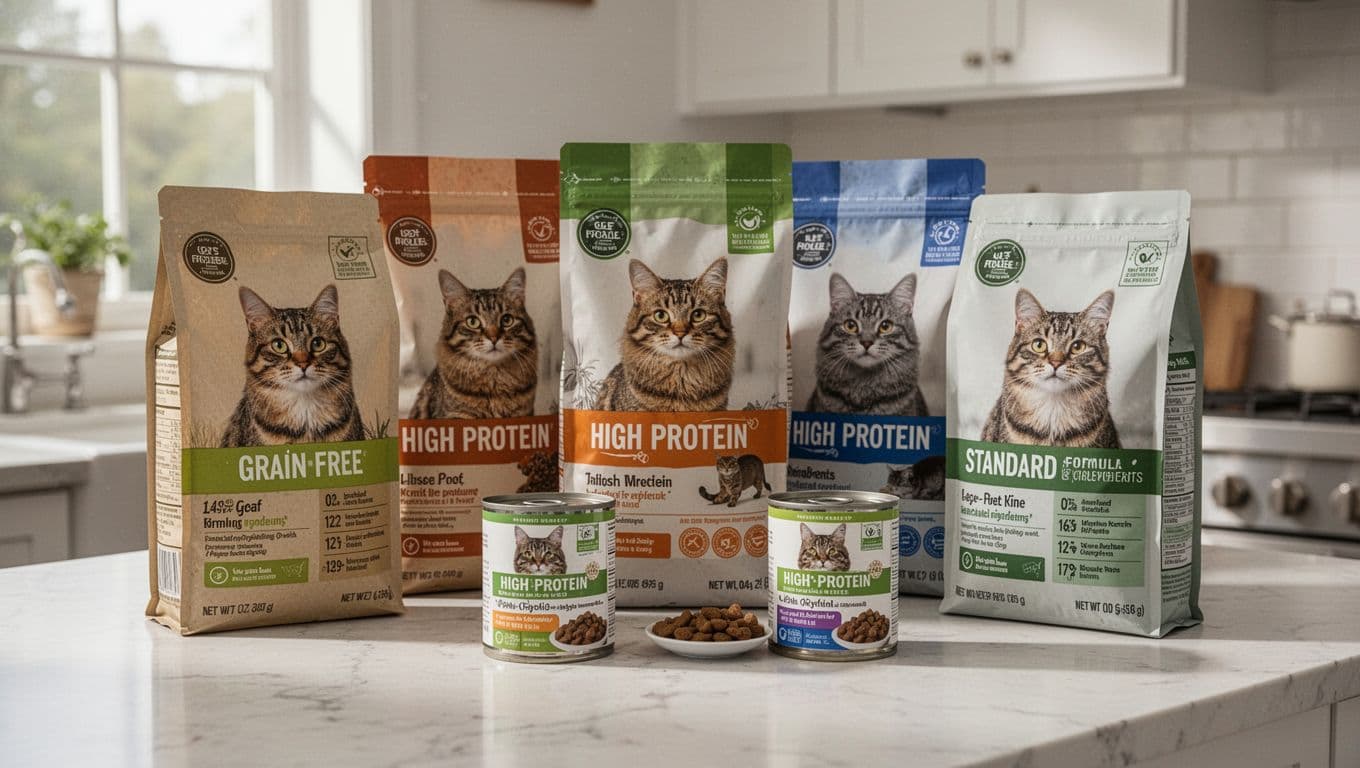
Different marketing claims can distract from what matters most, total calories and complete nutrition (created with AI).
Myth: “Grain-free is always healthier for cats”
“Grain-free” sounds like a clean, natural upgrade, so people switch without changing portions. Then weight creeps on, even though the measuring cup hasn’t moved. Why? Because the label claim does not tell you anything about calorie density, or whether the formula fits your indoor cat’s needs.
First, true grain allergies in cats are considered uncommon. When cats do have food sensitivities, the trigger is often a protein source (like chicken or beef), not rice or corn. So a grain-free switch might not solve the itch, but it can still change calories and appetite.
Second, grain-free foods still need a starch source to hold kibble together. Many replace grains with ingredients like peas, lentils, chickpeas, or potatoes. That swap is not automatically better or worse, it’s just different. In addition, some grain-free diets can be very calorie-dense, especially if they add extra fat for taste.
If you want context on why legumes and potatoes got so much attention in pet food discussions, this reporting on the FDA’s earlier investigation is a helpful summary: FDA report on peas and potatoes in grain-free diets. (Most of the concern and case reports focused on dogs, and the FDA has not proven a cause and effect link.)
The bigger point for indoor cats stays simple: nutrient balance and calorie control matter more than buzzwords. A food can be grain-free and still be too calorie-dense for a couch-loving cat.
Here’s what to do instead, without getting pulled around by marketing:
Look for a complete and balanced statement on the package, including an AAFCO nutritional adequacy statement (this matters more than “grain-free”).
Pick a formula your cat does well on (normal stool, good coat, steady energy), then stick with it long enough to judge results.
Avoid switching foods just because a bag uses trendy words like “ancestral,” “holistic,” or “grain-free.”
Quick gut check: If the only reason you’re changing foods is the front of the bag, pause and read the calories (kcal) and the adequacy statement first.
The “healthy” move is the one you can measure. Once you find a complete-and-balanced diet that agrees with your cat, your next win usually comes from portion accuracy, not ingredient fear.
Myth: “More protein automatically means fewer calories and easy weight loss”
Protein matters for cats. They’re obligate carnivores, and diets with solid animal protein can support lean muscle, especially during weight loss. Still, higher protein does not automatically mean lower calorie.
Calories come from protein, fat, and carbs. The catch is that fat is calorie-dense, with more calories per gram than protein or carbs. As a result, a “high-protein” food can still be high-calorie if it also carries a lot of fat (or if the serving size is generous). On the other hand, some weight-management foods use higher fiber and controlled fat to keep calories down, even if the protein number looks less exciting.
So why does this myth lead to overfeeding? Because it creates a false sense of safety. Owners think, “It’s high-protein, so I can feed a little extra.” Meanwhile, the total kcal per cup stays the same, or even goes up.
A simple strategy works better than guessing based on the guaranteed analysis:
Compare calories, not just macros. Look for kcal per cup (dry) or kcal per can (wet).
Choose high animal protein, moderate fat. You want protein doing the work, not added fat carrying the calories.
Portion from the calorie number. Feed the measured amount that hits your cat’s daily target.
This is where wet food can help some indoor cats. Many wet diets offer more volume for fewer calories, which can reduce the “I’m starving” routine. Dry food can work too, but the scoop has to be accurate because it’s easier to overserve.
To make label reading faster, use this quick comparison table when you’re in decision mode:
What you’re checking
Why it prevents “accidental extra” feeding
Where to find it
kcal per cup (dry)
A “small” scoop error can mean dozens of calories
Calorie statement, often near ingredients
kcal per can (wet)
Helps you portion without guessing can size
Calorie statement or feeding guide
Fat level
Higher fat can push calories up fast
Guaranteed analysis
After you pick a food, treat portions like a budget. If your cat gets 200 calories per day, every add-on has to come from that budget, not on top of it.
Higher-protein, lower-carb diets can help some cats feel full, so they’re useful tools. They are not magic, though. If your cat eats more calories than they burn, weight still goes up.
Even “healthy” food can lead to weight gain if portions drift up over time (created with AI).
Myth: “Raw, all-meat, or homemade diets are always better for indoor cats”
Raw and homemade feeding appeals to a lot of caring owners. It feels more “real,” and it can seem like the best way to avoid fillers. The problem is that indoor cats need the same things outdoor cats need, complete nutrition in the right amounts, plus a calorie plan that matches a quieter lifestyle.
The biggest risks are straightforward:
Bacteria exposure: Raw meat can carry pathogens that can affect pets and people. The FDA spells out these concerns in plain language, including contamination risks: FDA guidance on raw pet food risks.
Nutrient imbalance: Homemade diets often miss the correct levels of vitamins and minerals. Small errors add up over time.
Missing key nutrients: Cats have specific needs, including taurine. If a recipe is off, serious health problems can follow.
“All-meat” is another common trap. Meat alone doesn’t equal a complete feline diet, even if it looks species-appropriate. Cats need a carefully balanced mix of amino acids, fatty acids, minerals (like calcium and phosphorus in the right ratio), and vitamins. That balance is hard to hit consistently without a formulated recipe.
Raw and homemade diets can also lead to overfeeding in a sneaky way. They tend to be very palatable. They also make calorie math harder because the energy content varies by cut of meat, fat trim, and cooking method. So portions drift. A tablespoon extra here and there can quietly push your indoor cat over their daily needs.
If you’re set on homemade, do it with support. Work with your veterinarian, or better yet, a board-certified veterinary nutritionist. That’s how you turn “home-prepared” into “complete and balanced,” instead of guessing.
For most households, a practical alternative is safer and easier to stick with:
Choose a reputable food with a clear complete-and-balanced statement.
Control calories with measured portions (kitchen scale beats a cup for dry food).
Add activity through enrichment, not extra calories (puzzle feeders, short play sessions, climbing spots).
<img alt=”Illustration of raw ground beef and chicken chunks on a cutting board next to a cat food bowl, with subtle floating bacteria hazard icons in a dimly lit home kitchen, emphasizing contamination risks.” src=’https://user-images.rightblogger.com/ai/ccb651fe-b191-4140-a6db-1858ff28916f/raw-meat-cat-bowl-bacteria-hazard-warning-82491cd4.jpg’> Raw feeding can introduce contamination risks and nutrition gaps when recipes are not properly balanced (created with AI).
Put it into practice: a safe, simple indoor-cat feeding plan that works in real life
Knowing the myths is helpful. What changes your cat’s body is what happens at the bowl, every day, when you’re tired and busy.
This plan is built for real households, with work schedules, picky eaters, and cats that act like they haven’t eaten in weeks. You’ll set a daily calorie budget, measure it accurately, then adjust slowly based on results. The goal is steady progress you can keep up for months, not a “perfect” week that falls apart.
How to measure food the easy way (and stop accidental overfeeding)
<img alt=”A bright modern home kitchen counter with a digital scale displaying grams, small piles of dry cat kibble, wet cat food in a dish, visible calorie label, natural morning light, high detail textures, relaxed mood.” src=’https://user-images.rightblogger.com/ai/ccb651fe-b191-4140-a6db-1858ff28916f/sleek-kitchen-scale-measuring-cat-kibble-grams-6bd74572.jpg’> Using a kitchen scale makes portions consistent, even when kibble size changes (created with AI).
If you only change one thing, change this: measure food by weight in grams. A $10 kitchen scale can stop “scoop creep” (the slow drift toward bigger meals that happens when nobody’s counting).
Measuring cups feel precise, but kibble makes them unreliable. One brand’s tiny pellets settle tightly, another brand’s big chunks leave air gaps. Same “1/4 cup”, different calories. Even your scooping style changes the amount (level, heaping, packed, or shaken).
Start by reading your food’s calorie statement. Look for kcal per cup, kcal per can, or kcal/kg. If the label lists kcal/kg, you can convert it to calories per gram by dividing by 1,000. For example, 3,570 kcal/kg equals 3.57 kcal per gram. Sure Petcare has a clear walkthrough on how to weigh your cat’s food accurately.
Now build a simple routine that takes about two minutes a day:
Write down your cat’s total daily calories on a sticky note (example: 220 kcal/day). Put it on the food container.
Weigh breakfast in grams, then feed it. Tare the bowl on the scale first so you only weigh the food.
Weigh dinner in grams from the same daily budget.
Pre-portion treats for the day (or week) so you don’t “freehand” them.
A practical approach is to use one container as your daily budget. In the morning, measure the full day’s dry food into that container. Every kibble, topper, and “just one more” comes from it. When it’s empty, you’re done.
Multi-cat homes: this matters twice as much. If one cat is gaining, someone is stealing. Measured portions help you see it. If you can, feed separately for 15 to 20 minutes, then pick up bowls. Microchip feeders can help too, but a closed door works just fine.
Picky eaters: don’t “panic feed” with random extras. Keep calories steady and make meals more appealing using low-calorie tactics like warming wet food slightly, adding a tablespoon of warm water, or offering smaller, more frequent meals (same daily calories).
A 2-week adjustment plan using weigh-ins and BCS
Weekly weigh-ins help you adjust portions before weight sneaks up (created with AI).
Calories are a thermostat. You set a reasonable number, then you adjust based on what your cat’s body does, not what the bag says.
Use this 2-week timeline to avoid overreacting. It’s long enough to see direction, but short enough to fix problems early.
Before Day 1: set your starting target
Pick a starting daily calorie goal based on your cat’s ideal weight (your vet can confirm ideal weight and body condition score). If you’re using the earlier rule of thumb (about 20 to 30 calories per pound of ideal body weight), pick a number in that range and commit to it for two weeks.
Set a treat budget inside that total. A common cap is 10% of daily calories.
Days 1 to 7: track intake like a budget
Feed only what you measure, in grams (dry) or by weighed portions (wet).
Keep notes for “calorie leaks,” like lickable treats, table scraps, or a second family member who feeds “a little.”
Check BCS once this week using hands and eyes (ribs, waist, tuck). Don’t obsess daily.
Day 7: weigh and review
Weigh your cat once per week, same time of day. If your cat won’t stand still, weigh yourself holding the carrier, then subtract your weight alone.
Compare the number to last week, then pair it with BCS. Scale and BCS together tell the truth.
Days 8 to 14: stay consistent
Keep calories the same unless something is clearly wrong (refusing food, vomiting, diarrhea, or fast weight change).
Expect normal noise. Some cats beg when routines change, even if they’re getting enough.
Day 14: adjust by 5 to 10% if needed Use small moves so you don’t trigger hunger spirals.
If your cat gained weight or BCS looks softer (waist fading), reduce daily calories by 5 to 10%.
If your cat lost too fast or seems stressed and frantic, increase by 5% or swap some dry calories for wet food volume.
If weight is stable and BCS looks good, keep going.
A plateau can happen, especially after early water-weight shifts or when activity changes. Stay patient and adjust in small steps.
Never crash-diet a cat. Rapid restriction raises the risk of hepatic lipidosis (fatty liver disease), especially in overweight cats. Merck’s Veterinary Manual explains why cats that stop eating can get dangerously sick: feline hepatic lipidosis overview.
For safe weight loss, aim for about 0.5% to 1% of body weight per week (go slower for very obese cats). If your cat needs to lose more than a little, involve your veterinarian. Veterinary Partner (VIN) has a solid overview of vet-guided plans in weight loss for obese cats.
Make indoor life more active without forcing it
Short, fun play sessions can increase daily energy burn without stress (created with AI).
Food control works best when your cat also has a reason to move. Activity does not need to look like a workout. Think of it like adding a few extra steps to your day. Small bursts add up.
Start with two 5 to 10-minute play sessions. Many cats do better with “short and exciting” than “long and exhausting.” End with a small measured meal to match their natural rhythm: hunt, catch, eat, sleep.
Here are easy ways to add movement and reduce boredom eating:
Wand toys: Keep the toy moving like prey, low and darting. Let your cat “win” at the end.
Food puzzles: Make part of the meal take effort, not willpower. Outward Hound has examples of cat food puzzle games if you want ideas.
Scatter feeding: Toss measured kibble in a hallway or across rooms so your cat searches.
Climbing options: Add a cat tree, shelf steps, or a window perch. Jumping counts.
Toy rotation: Put half the toys away, then swap weekly. Novelty brings play back.
“Hunt then eat” routine: Play first, then feed. Cats often settle better after.
Here’s the best part: when your cat moves more, you often get more flexibility with food. A slightly more active cat can sometimes eat a bit more while staying at the same weight. That’s a win for both of you because it makes the plan easier to stick with.
When to get help from a vet (red flags you should not ignore)
Vet guidance is important when symptoms show up, or when weight loss needs to be medically managed (created with AI).
Portion control is powerful, but it cannot fix a medical problem. Call your vet if you see anything that looks “off,” especially if it’s new.
Red flags to take seriously:
Fast weight loss (especially if your cat is not trying to lose).
Vomiting that repeats, or vomiting plus poor appetite.
Diarrhea lasting more than a day or two.
Sudden appetite changes, either not eating or acting unusually ravenous.
Increased thirst or urination.
Lethargy or hiding more than usual.
Constipation or straining in the litter box.
Trouble jumping, stiffness, or signs of pain.
Some chronic diseases change calorie needs and hunger signals, including thyroid disease, diabetes, and kidney disease. Those cats may need a different plan, different food, or both.
If your cat is overweight, don’t try to “wing it” with big cuts. Ask your vet for three clear numbers:
Ideal weight
Daily calorie goal
A safe weight-loss pace, usually about 0.5% to 1% body weight per week
The simple indoor-cat feeding playbook (save this)
Use this as your weekly system, especially if you have multiple cats or a determined beggar.
Pick a daily calorie target (based on ideal weight, age, and lifestyle).
Measure in grams with a kitchen scale, not a cup.
Pre-portion the whole day each morning, then feed only from that amount.
Feed 2 to 4 meals using the same daily calories (more meals helps hungry, anxious cats).
Plan treats inside the budget, then portion them ahead of time.
Add two short play sessions daily, then offer a measured meal afterward.
Weigh weekly for 2 weeks, and check BCS every 2 to 3 weeks.
Adjust calories by 5 to 10% after two consistent weeks if weight or BCS is moving the wrong way.
In multi-cat homes, feed separately (closed door for 15 to 20 minutes) and pick up leftovers.
For picky eaters, change texture and routine first, not calories (warm wet food slightly, add water, smaller meals).
If weight loss exceeds about 1% per week, if your cat stops eating, or if any red flags show up, call your vet promptly. Slow progress is normal. A sick cat needs help, not a stricter plan.
Conclusion
Indoor cats usually need fewer calories than most people expect, because their day has more naps than miles. That’s why myths like free-feeding, trusting the bag’s serving size, or ignoring treat calories can quietly push weight up, even when you think you’re being careful. On top of that, wet vs dry isn’t a moral choice, it’s a math choice, because what matters is total kcal and how full your cat feels, plus the hydration boost many cats get from wet food.
The best guardrails are simple and repeatable: watch BCS, weigh your cat regularly, and adjust portions by small steps instead of guessing. Those habits matter even more when obesity is so common, and most owners don’t spot extra weight early.
Pick one myth to drop today, then measure every calorie for one week (meals and treats). If the scale or body shape is trending up, book a vet check and ask for an ideal weight and a daily calorie target. Your cat’s healthiest weight isn’t a number on the bag, it’s a routine you can stick with.
As a cat owner, I’m always on alert for the best nutrition options for my feline companion. One option that’s gained traction is the grain-free diet. Initially, It appeared to be just another trend, but through research, it became clear that it’s more than just a fad for certain cats.
Grain-free diets aim to mimic a cat’s natural, ancestral eating habits. While most domestic cats aren’t catching their meals in the wild, the idea here is to reduce or eliminate grains that typically aren’t a part of a feline’s natural diet.
This alternative can potentially benefit cats with allergies or sensitivities to grains. Some owners have reported improvements in their cats’ digestion and energy levels after switching to grain-free food. It’s crucial to note, though, that grain-free doesn’t mean carb-free; some grain-free foods utilize alternative carbohydrate sources, such as sweet potatoes.
However, it’s imperative to ensure the switch to grain-free isn’t just a spur-of-the-moment decision. Consulting with a vet is a STEP I always emphasize because they can provide personalized advice considering your cat’s health history and nutritional needs.
Before concluding, remember that grain-free isn’t the golden ticket for every cat and careful evaluation of your furry friend’s individual needs is essential. Moving forward, I’ll help you navigate the premium grain-free brands, vetted by experts, so you can make an informed decision when it comes to feeding your pet.
Top Grain-Free Dry Cat Food Brands Vetted by Experts
When deciding on the best grain-free diet for your cat, it’s crucial to consider quality. The choices can feel overwhelming, but I have a clear plan for you. Start with choosing brands that have a strong reputation for quality control and ingredient sourcing. Here’s what I look for when recommending grain-free dry cat food brands:
The protein source should be identifiable and ideally, the first ingredient listed. Cats are carnivores, and their primary diet should be meat. Look for brands that specify the type of protein, like chicken, salmon, or turkey, rather than ambiguous terms like ‘meat meal.’
A simple check of the label for a statement of nutritional adequacy from the Association of American Feed Control Officials (AAFCO) is a non-negotiable step. This ensures the food meets basic nutritional standards for feline health.
Avoid brands with excessive filler ingredients or artificial additives. While grain-free, these components don’t contribute to your cat’s health and can sometimes cause adverse reactions.
Transparency is key. Top brands tend to provide detailed information about where their ingredients are sourced and how their food is manufactured. It’s not enough to pick a reputable brand and call it a day. Your cat’s diet should be a careful consideration. Next, I’ll guide you through balancing the nutritional aspects of a grain-free diet and discussing just how much to feed your cat for optimal health.
Feeding Your Cat Grain Free: Nutritional Balance
Cats are obligate carnivores, which means their bodies are designed to digest and utilize nutrients from animal-based proteins more efficiently than those from plants. When considering a grain-free diet for your cat, the most important factor to focus on is providing a nutritionally balanced diet that meets all their needs. It’s not just about removing grains; it’s about replacing those calories and nutrients with high-quality ingredients.
A grain-free diet should be rich in proteins and include a precise blend of fats, minerals, and vitamins to support overall health. Look for cat food that lists real meat or fish as the first ingredient. Avoid those that simply replace grains with high quantities of potatoes or legumes, as these can lead to nutrient imbalances and are not ideal for your cat’s carnivorous dietary requirements.
If you decide to switch your cat’s diet to grain-free, do it gradually. Start by mixing a small amount of the new food with their current food, then slowly increase the proportion over several weeks. This helps prevent digestive upset and allows your cat to adjust to the new texture and flavor.
Feeding Your Cat Grain Free: Serving Size
Determining the correct serving size of grain-free dry cat food is crucial. Overfeeding can lead to weight gain and health issues, while underfeeding can result in malnutrition. Typically, the packaging will have a recommended serving size based on weight and activity level. Use this as a starting point, but be prepared to adjust as you monitor your cat’s weight and condition.
Lastly, hydration is a top concern with dry food diets, including grain-free. Cats may not always drink enough water, so it’s essential to encourage drinking by providing fresh water at all times. Some owners find that a pet water fountain increases their cat’s water intake. Wet food can also be mixed in with dry food to add moisture to the diet.
Grain-Free Myths Debunked and Owner Testimonials
When considering a grain-free diet for your cat, you’re likely to encounter various opinions and claims. It’s important to separate fact from fiction to make the best choices for your pet’s health. One myth is that grain-free automatically means healthier, but it’s not a one-size-fits-all solution. Cats require a well-rounded diet, and while grains are often unnecessary, some grain-free diets might lack other vital nutrients.
Testimonials from owners who have switched their cats to grain-free diets can provide valuable insights. Many report improvements in their cats’ digestion, energy levels, and coat quality. However, each cat is unique, and what works for one might not work for another. It’s crucial to observe your cat’s reaction to the new diet and adjust as needed.
Ensuring a variety in your cat’s diet is essential, regardless of whether it’s grain-free. A mix of wet and dry foods, as well as occasional treats, can keep your cat’s diet interesting and nutritionally complete. If you opt for grain-free, consider incorporating foods that provide the necessary fibers and carbohydrates usually derived from grains.
Finally, pay close attention to your cat’s health and behavior. If you notice any adverse reactions to a grain-free diet, such as lethargy, poor coat condition, or digestive issues, consult your veterinarian immediately. By staying informed and attentive, you can help your cat thrive on a diet that’s tailored to their specific needs.
When my cat first started showing gray around her whiskers, I knew she was entering her golden years. If you have a feline friend who’s been with you through thick and thin, you’ll begin to notice certain changes as they age. Understanding these changes is essential to providing the best care for your aging companion.
Much like humans, senior cats experience a shift in their physiological needs. These can range from a slower metabolism to more delicate digestion. Their immune system might not be as robust as it once was, and their senses could begin to dull, impacting their appetite and nutritional needs.
Adapting to these changes is not just about comfort, it’s about health and longevity. Cats typically move into the senior phase of life around 7 to 10 years old, but this can vary widely depending on the individual and the breed. Recognizing when your cat has become a senior is the first step toward adjusting their care regime.
As a pet parent, you shoulder the responsibility of monitoring and adjusting your cat’s diet to align with their aging body’s requirements. Moving on to the next section, I’ll guide you through the bedrock of senior cat nutrition and how you can balance their diet to support their health as they continue to grace your life with their presence.
The Cornerstones of Senior Cat Nutrition: Balancing the Diet
When I talk about feeding senior cats, balance is my keyword. Senior felines have specific dietary requirements that differ significantly from their younger counterparts. As a pet parent, being aware of these shifts is key to managing their health.
Why is balance so important? Well, senior cats often require lower-calorie diets but still need nutrient-dense food. It’s a delicate equilibrium. Too many calories and your cat might gain excess weight, which can be harmful. Too few nutrients and your cat won’t get the support needed to maintain muscle mass, bone health, and overall vitality.
Proteins are the building blocks of a good diet, and that doesn’t change as cats age. High-quality protein becomes even more essential for maintaining muscle mass, which tends to decline in senior cats. However, the source and digestibility of the protein are critical factors to consider.
Fats and carbohydrates play their parts too. The right fats provide energy and support cell function, while carbohydrates, when given in moderation, can be a part of a balanced diet. Remember, not all fats or carbs are created equal; it’s essential to prioritize those that offer health benefits, like omega-3 fatty acids.
And let’s not forget about fiber. While it may seem less exciting than other nutrients, fiber supports gastrointestinal health and can aid in managing weight. It helps create a sense of fullness, which is particularly useful if your senior cat needs to shed a few pounds.
Transitioning your senior cat to a new diet must be done gradually, over a week or more. This helps avoid digestive upsets and allows your cat to adjust to new flavors and textures. Regularly consulting with your veterinarian can also provide you with peace of mind, knowing that the dietary changes you’re making are the right ones for your cat’s specific needs.
Veterinary Insights: Nutritional Guidance from the Experts
I find that one of the most reassuring resources I have when it comes to the health of my aging cat is my vet’s expertise. Regular check-ups become increasingly vital for senior cats, stretching beyond vaccinations and the usual health screenings. During these visits, my vet assesses my cat‘s unique nutritional needs, which can differ substantially from her younger days.
Veterinarians often emphasize the importance of certain nutrients that support organ function and overall well-being in older cats. For instance, they might recommend diets lower in phosphorus to support kidney health, or increased levels of B vitamins to aid metabolism.
Senior cats may face a series of age-related conditions, such as kidney disease, arthritis, or diabetes. A strategically tailored diet can manage or even alleviate some of the symptoms associated with these issues. This proactive approach extends beyond mere sustenance, using nutrition as a tool for therapeutic support.
It’s essential to work closely with your vet to develop a feeding plan that’s specific to your senior cat‘s health status and lifestyle. This personalized approach often includes a detailed discussion about the variety of commercially available diets and whether your senior cat might benefit from therapeutic diets designed to address specific health concerns.
Adjusting for Activity: Caloric Needs of Less Active Seniors
As cats age, it’s common for their activity levels to wane, similar to changes humans experience. Monitoring the balance between how much energy they expend and the calories they consume is critical for preventing obesity, which is a real concern for less active senior cats.
Understanding your senior cat’s current activity level isn’t just about watching them throughout the day – it also involves regular weigh-ins and consultations with your vet. If you notice your cat’s activity is decreasing, you may need to adjust their diet accordingly.
The goal is to provide enough calories to maintain a healthy weight and support their body condition. It’s not about feeding them more or less, but about finding the right balance. Speak with a professional to determine the best caloric intake for your cat’s specific needs.
Keeping senior cats physically engaged is important too. Simple activities like gentle play or encouragement to climb or explore can help. It’s not just about reducing calories; it’s about maintaining their health with appropriate exercise.
Now, let’s shift our focus to what can be a key addition to your senior cat’s diet: SUPPLEMENTS. It’s essential to understand which ones are beneficial and under what circumstances they might be necessary.
Special Supplements for Golden Years: Do They Make a Difference?
As I face the golden years with my feline friend, I’m confronted with choices about what’s best for their health. The topic of supplements often comes up as a potential way to boost their well-being. Supplements like glucosamine for joints or fish oils rich in omega-3 fatty acids are part of a growing market aimed at enhancing the lives of older cats.
When deciding to include supplements in your senior cat’s diet, it’s not a choice to make lightly. Each cat is unique, and what works for some may not work for all. It’s imperative to consult with your vet before introducing any new supplement. They can offer advice based on your cat’s specific health profile.
Let’s consider the evidence. There’s some support for the use of supplements such as glucosamine in aiding joint health and thus improving mobility. Fish oils may help maintain coat quality and cognitive function. But remember, supplements should never replace a balanced diet or prescribed medication.
Of course, not all supplements are worth the investment. Look for those backed by research and choose quality over quantity. It’s about finding the right ones that could make a real difference in managing the health concerns that come with age.
Moving on to the next crucial aspect of senior cat care: hydration. Sufficient water intake is VITAL for your aging cat’s kidney and urinary health, areas often under stress in seniors. In the following section, let’s explore practical ways to ensure our older companions stay well-hydrated.
Hydration Matters: Ensuring Adequate Water Intake
Senior cats can face a unique challenge when it comes to staying properly hydrated. As cats age, they may become more susceptible to kidney issues and other health concerns that necessitate an increased water intake. Yet, older cats often don’t drink enough water, which is why I make it my business to ensure they do.
Why is water so important? It supports every crucial bodily function. From digestion to circulation, and waste elimination to the regulation of body temperature, water is indispensable. When cats don’t get enough of it, dehydration can set in, potentially leading to more serious health problems.
I strive to outsmart the usual indifference many cats show toward water. One effective approach is to provide multiple water sources throughout the living space. I consider the placement of these water stations; they should be in quiet, accessible places where a cat feels secure. Water fountains with filters can also be enticing, as they provide a continuous supply of fresh, running water that many cats prefer.
Wet food plays a big role in a cat‘s hydration, especially if they’re not big drinkers. Wet food can contain up to 80% water, which is significantly higher than the 10% water content of dry food. It’s a subtle yet effective way to boost their water intake. Mixing a bit of water into their food is another trick I’ve found useful.
I keep an eye out for signs of dehydration: lethargy, dry mouth, and sunken eyes. If any of these symptoms appear, it’s vital to act swiftly. Encouraging a cat to drink by refreshing their water or using water additives designed to entice them can help, but if I suspect severe dehydration, I don’t hesitate to contact a vet.
In the next section, we’ll shift focus to another critical aspect of senior cat care: Mealtimes. I’ll share insights and tips to address changes in appetite and how to maintain a feeding routine that keeps an older cat‘s interest in food strong.
Practical Feeding Strategies for the Picky Senior Palate
As cats enter their senior years, you might notice they become more selective with their food. It’s not uncommon for older cats to have changes in appetite or taste preferences. But don’t worry, there are practical ways to navigate this.
First, take stock of how appealing your senior cat’s food is. Cats rely heavily on their sense of smell, which can diminish with age. Warming up their food can amplify the aroma and make it more enticing. Smaller, more frequent meals might also appeal to older cats, aligning better with their slower metabolism.
Consistency is key. If you find a type of food your senior cat enjoys, try sticking with it. While diversity is important for nutrition, too many changes can unsettle a picky eater. That said, slowly introducing new foods alongside old favorites can gradually expand their palate without causing stress.
For cats that turn up their noses at both dry and wet commercial diets, homemade food might be the answer. This option allows you to tailor meals to your cat’s preferences, but it must be done under veterinary guidance to ensure complete nutrition. Remember that senior cats need love and patience with every meal. Monitor their eating habits and weight, and consult with a vet if you notice sudden changes. With understanding and gentle tweaks to the routine, you can keep your senior cat both healthy and happy at mealtimes.
I’m going to guide you through the essentials of feline nutrition, starting with what nutrients your cat needs. Cats are obligate carnivores, which means their diets need to be rich in proteins and certain fats that are crucial for their health. They rely on nutrients like taurine, arachidonic acid, and vitamin A, which are typically found in animal-based sources.
Life stage is a key factor in determining the right food for your fluffy friend. Kittens require more energy-dense food rich in protein and specific amino acids that support growth. As cats mature into adults, their dietary needs shift to maintaining a healthy weight and energy level. For senior cats, diets lower in calories but still fulfilling nutrient requirements are often necessary to cater to their less active lifestyles.
Let’s also chat about the choices you have: dry food, wet food, and the more controversial raw food options. Dry food, often appreciated for its convenience, can support good dental health due to its texture. Wet food is great for hydration and may be easier for some cats to digest. Raw diets aim to mimic a cat’s natural eating habits, but they come with a need for meticulous handling to avoid bacterial contamination.
If you’re caring for a cat with health conditions such as kidney disease, diabetes, or allergies, their diet must be adjusted accordingly. It’s crucial to choose foods that support the management of their specific health issues.
Lastly, don’t overlook the importance of understanding cat food labels. This isn’t just about feeding your cat; it’s also about ensuring their long-term health through balanced nutrition. Labels provide information on ingredient composition, nutritional adequacy, and feeding guidelines. And remember, the ingredient list should reflect a high meat content as this is most suitable for your carnivorous pet.
Next up, I’ll delve into how to choose a quality cat food, which can make all the difference in ensuring your cherished companion thrives.
How to Choose Quality Cat Food
When it comes to selecting the right cat food, you’re faced with a plethora of choices. I’m going to help you sift through the options by highlighting what matters for the quality and healthfulness of your cat‘s diet.
Interpreting the ingredient list is your first task. You want to see high-quality protein sources, like real meat, fish, or poultry, listed at the top. Don’t be swayed by fancy packaging or clever marketing terms – it’s the contents that count.
The type of protein is crucial. Cats are obligate carnivores, meaning their bodies are fine-tuned to utilize animal-based proteins. Plant-based proteins might fill them up but won’t meet their nutritional needs in the same way.
Stay informed about food regulations and standards. Recognize brands that go beyond the minimal requirements, ensuring your cat isn’t just surviving, but thriving on what they eat. It’s not just about the baseline; it’s about optimal health.
Then there’s the buzz around specialized diets like organic or grain-free. My take? Each cat is unique. While some felines will flourish on these diets, others may not need them. Choose something that resonates with your and your cat’s specific situation.
Lastly, let’s talk supplements. They can be beneficial, especially for cats with specific needs or deficiencies, but they’re not a cure-all. Always consult your vet before adding anything extra to your cat’s meals to make sure it’s necessary and safe.
Feeding Practices for a Happy, Healthy Cat
Now, you’re about to find out about crafting the perfect diet regimen for your feline friend. I’m going to give you the lowdown on portion control, meal scheduling, hydration, and avoiding common pitfalls that might throw a wrench in your efforts to keep your cat in tip-top shape.
I’m here to help you understand why portion sizes are a big deal for cats. Just like us, cats can fall into the overweight category if they eat more calories than they burn. Obesity in cats can lead to diabetes, arthritis, heart disease, and other problems, so choose something that resonates with your pet‘s needs and stick with it.
When it comes to how often to feed your cat, you can always adjust your approach down the road. Some cats thrive on regular meal times, while others prefer grazing throughout the day. This isn’t just about convenience; it’s also about your cat’s health and behavior.
Cats aren’t typically water lovers, but hydration is crucial for their health, particularly for preventing urinary tract issues. If you want to, consider adding wet food to their diet or investing in a cat water fountain to make drinking more enticing. Trust me, it’s a game-changer.
Spotting and steering clear of common feeding mistakes is important. Don’t worry too much about being perfect, but do keep an eye out for signs that your feeding practices might need tweaking. Overfeeding treats, underestimating the importance of water, or ignoring changes in your cat’s appetite could signal a need for a diet check-up.
Lastly, your vet is your go-to resource for tailored advice based on your cat’s specific health profile. Regular check-ins ensure that your furry companion’s nutritional needs are being met as they grow and change throughout their life.
So my question to you today is, are you ready to take the next step in ensuring your cat’s diet is on point? Remember, your first attempt doesn’t need to be your last. A lot is happening very quickly in the world of feline nutrition, so stay informed and be ready to adapt. After all, the goal is a lively, contented cat, and getting their diet right plays a huge role in achieving that.
 A typical indoor day includes a lot of rest, which lowers calorie needs, even for young adult cats (created with AI).
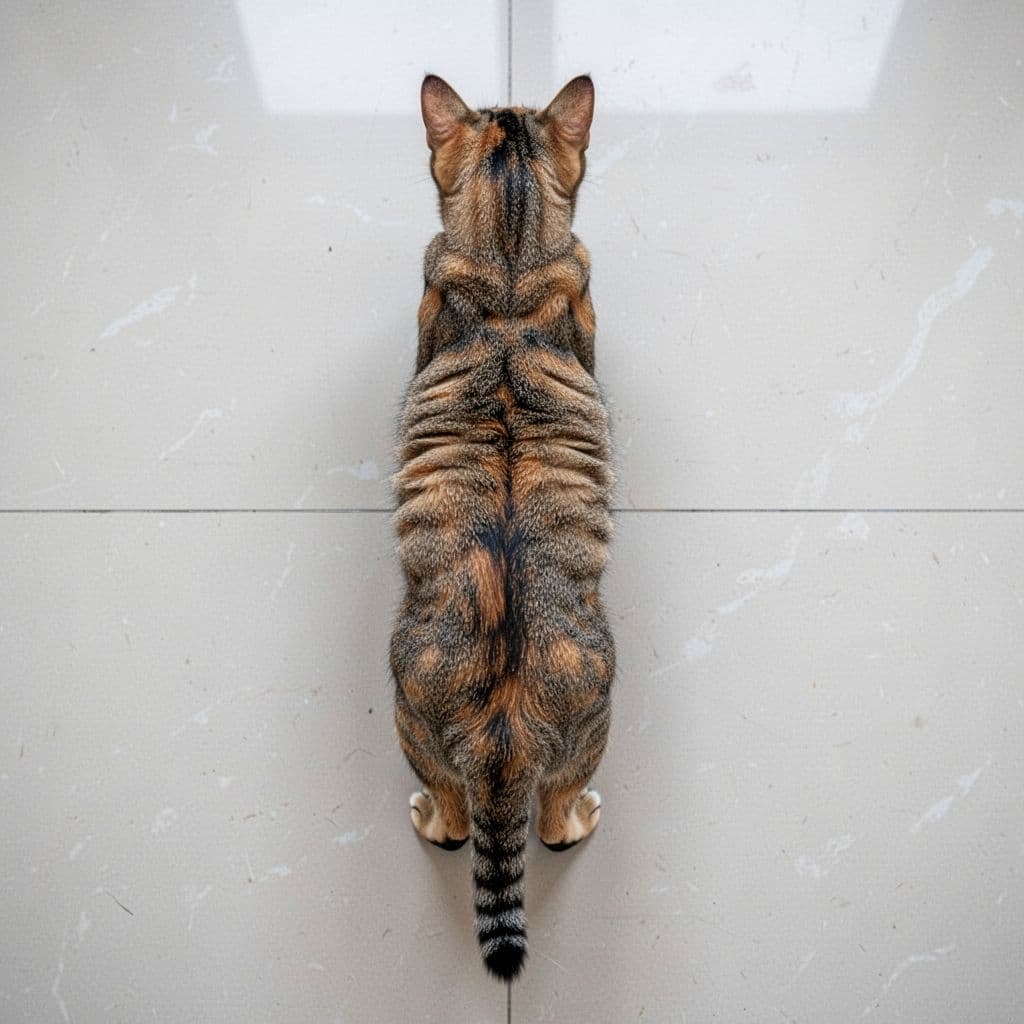 From above, a healthy cat usually has a visible waist, like a gentle hourglass, not a straight tube (created with AI).
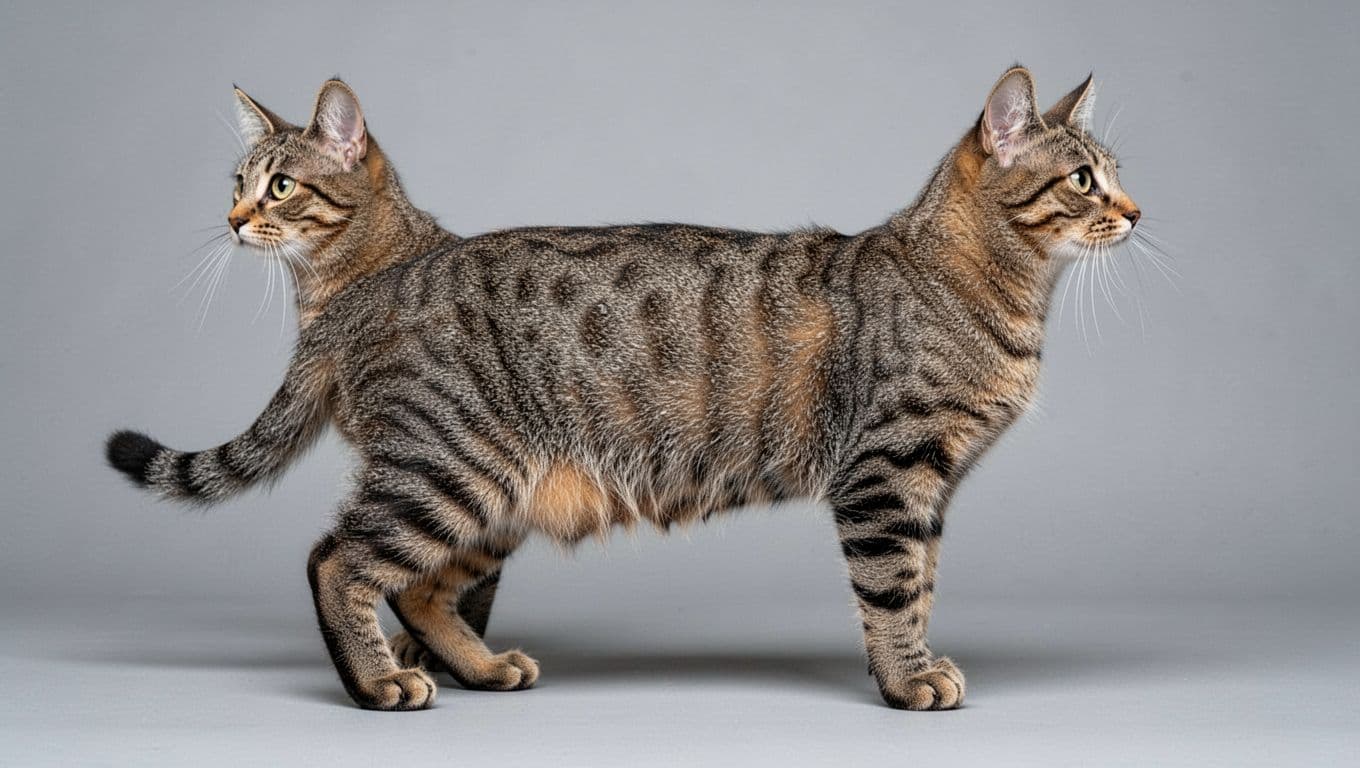 From the side, a small belly tuck is common at an ideal BCS, even if your cat has a loose “primordial pouch” (created with AI).
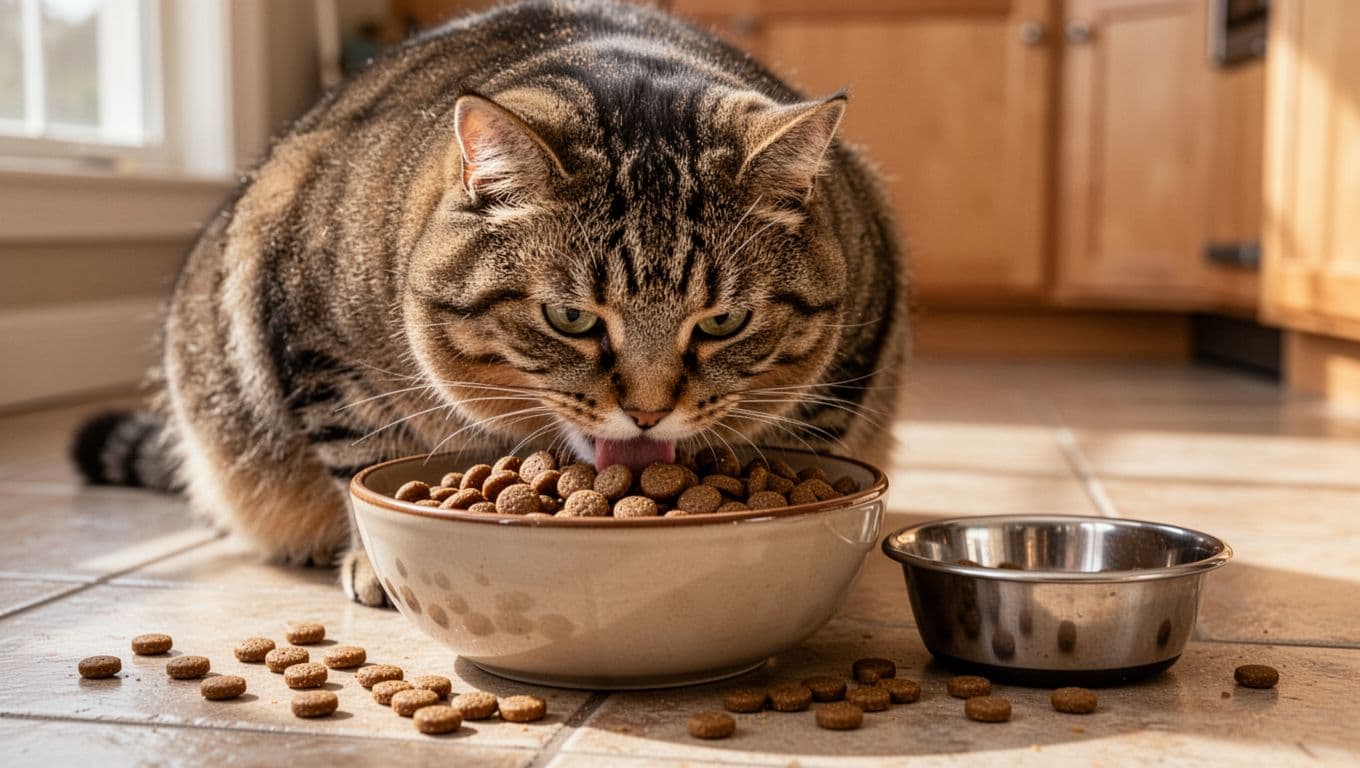 A constantly full bowl makes it easy for some indoor cats to “graze” past their needs (created with AI).
 Photo by
 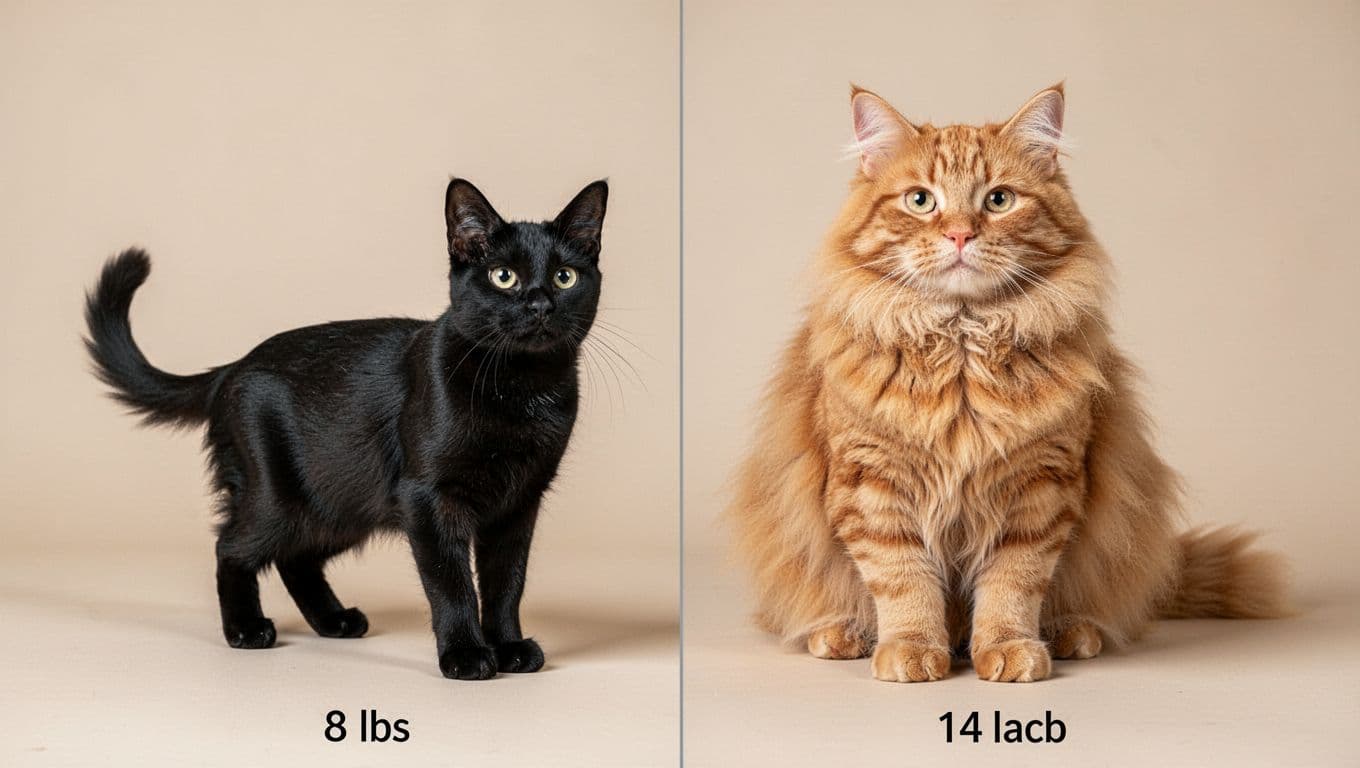 Two indoor cats can live the same lifestyle and still need very different calories (created with AI).
 Dry and wet food can both fit an indoor cat’s plan, but they aren’t interchangeable for calories and moisture (created with AI).
 An empty bowl can trigger big opinions, but it doesn’t always mean true hunger (created with AI).
 Treats feel small in your hand, but they can be a big chunk of an indoor cat’s daily calories (created with AI).
 Different marketing claims can distract from what matters most, total calories and complete nutrition (created with AI).
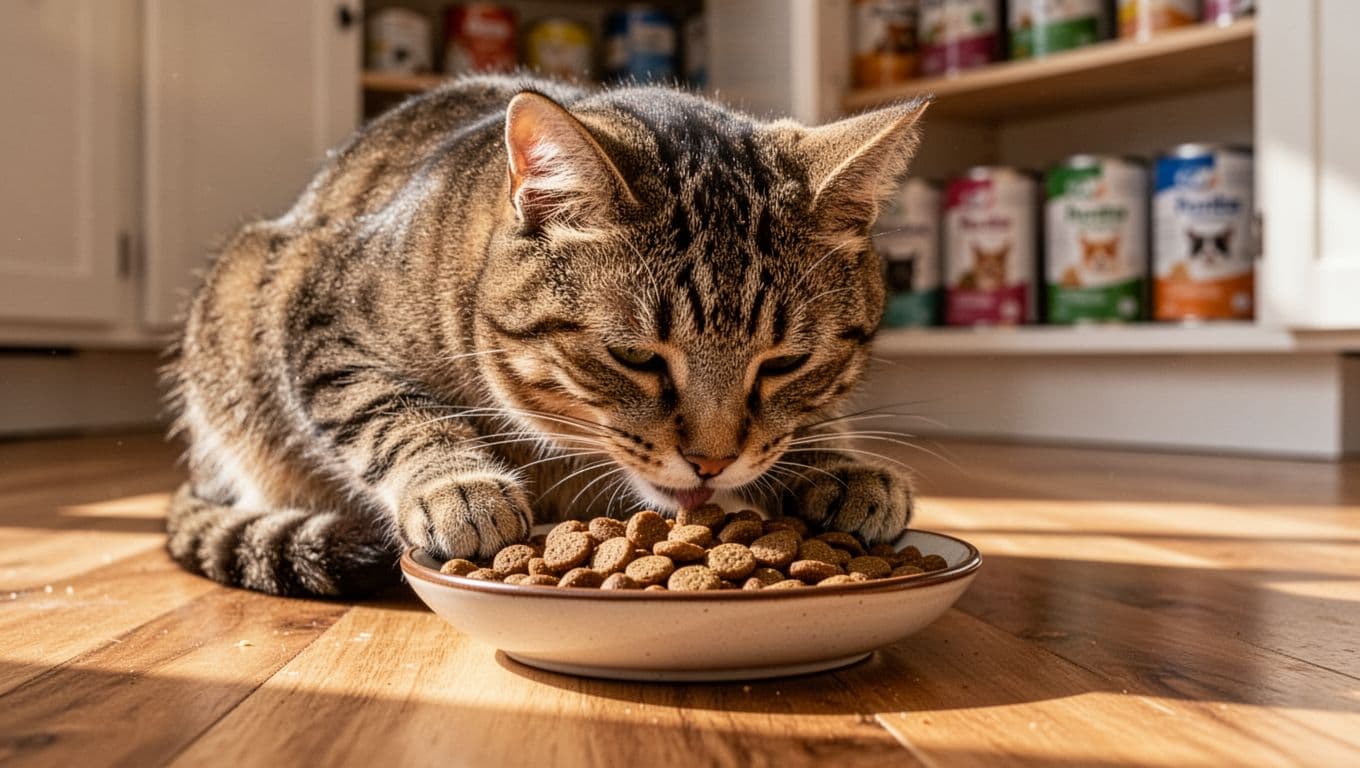 Even “healthy” food can lead to weight gain if portions drift up over time (created with AI).
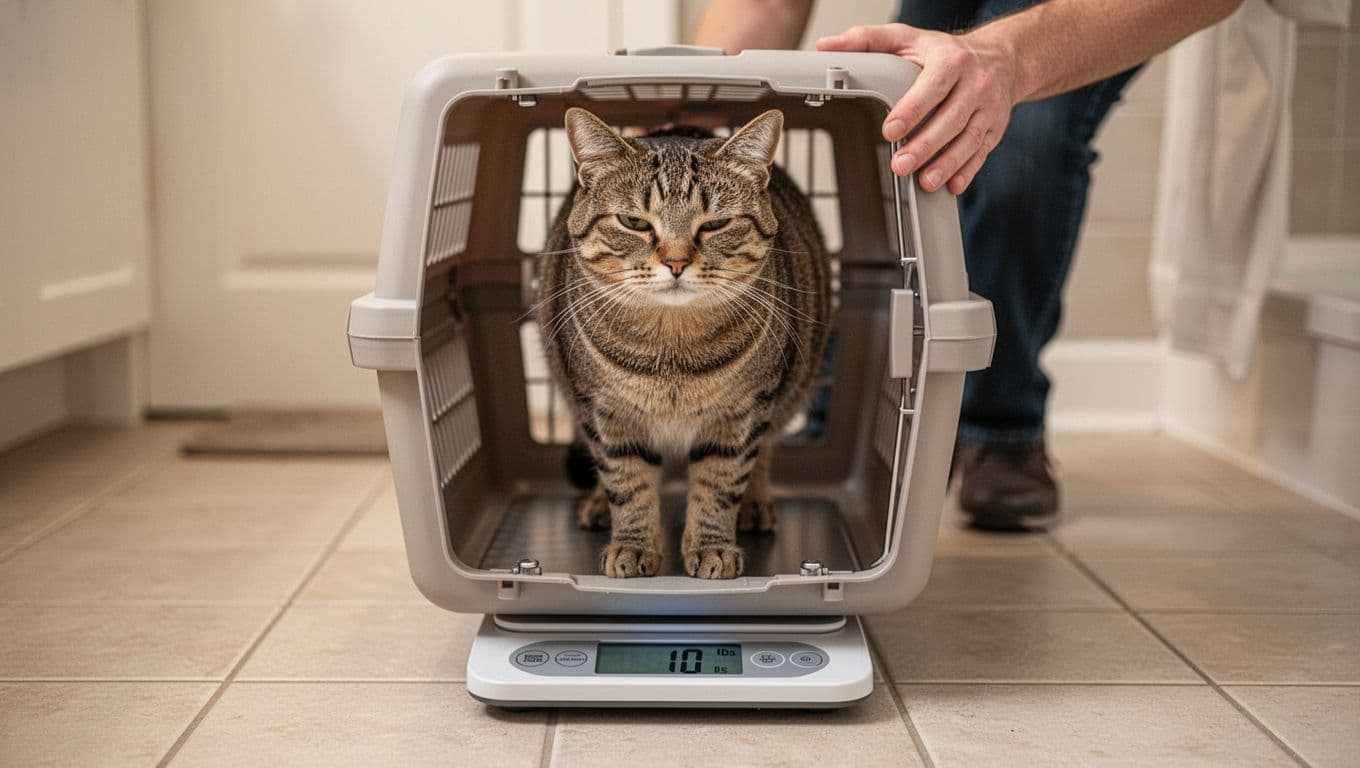 Weekly weigh-ins help you adjust portions before weight sneaks up (created with AI).
 Short, fun play sessions can increase daily energy burn without stress (created with AI).
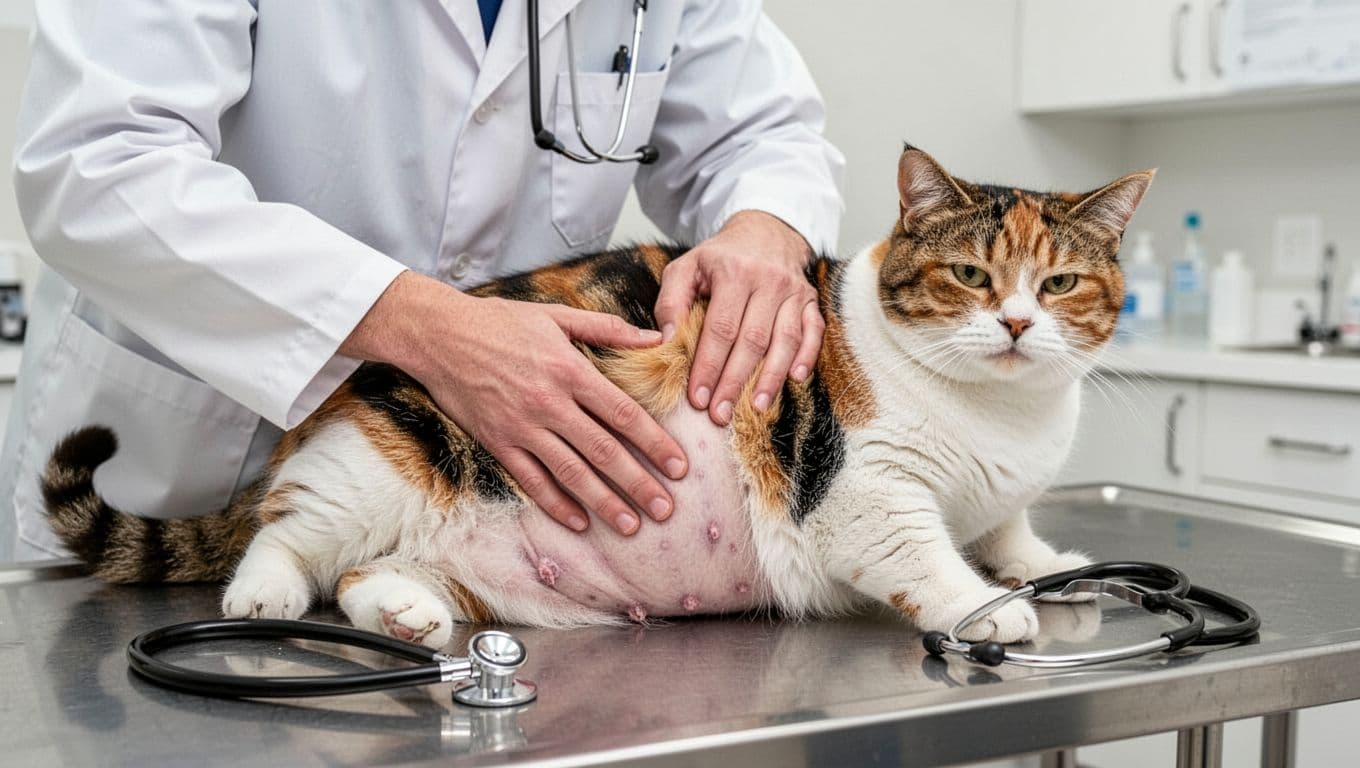 Vet guidance is important when symptoms show up, or when weight loss needs to be medically managed (created with AI).