
Your cat’s eating, grooming, and batting a toy around, so everything must be fine, right? The problem is that cats can look “normal” even when something hurts. Many will hide pain and weakness until it’s hard to miss, and by then, treatment can cost more and take longer.
That’s why regular vet check-ups for cats matter, even when your cat seems perfectly okay. Cats are experts at masking illness, so issues like dental disease, weight loss, arthritis, parasites, and early kidney changes can build quietly. A good check-up often catches small problems before they turn into emergencies.
For most cats, “regular check-ups” means more than a quick listen to the heart. It usually includes a full wellness exam (nose to tail), vaccine planning based on lifestyle, and parasite prevention for fleas, ticks, and worms. Your vet will also check the mouth and teeth, because dental pain is common and easy to miss at home, and they may suggest lab work when needed (like blood and urine tests) to spot changes that don’t show on the outside.
In this post, you’ll get clear answers on how often cats should go to the vet (kittens, adults, and seniors), what vets look for during a wellness visit, and what costs you should expect. You’ll also learn simple ways to make appointments less stressful, so your cat doesn’t panic and you don’t dread the trip.
Why cats need check-ups even when they seem healthy
A “healthy-looking” cat can still have a problem brewing under the surface. Cats are built to act normal even when they feel off, so waiting for obvious symptoms can mean you miss the easiest window to treat something.
Regular cat wellness exams are less about finding scary surprises and more about catching small changes early. Think of it like a smoke alarm. You want it working before you smell smoke.
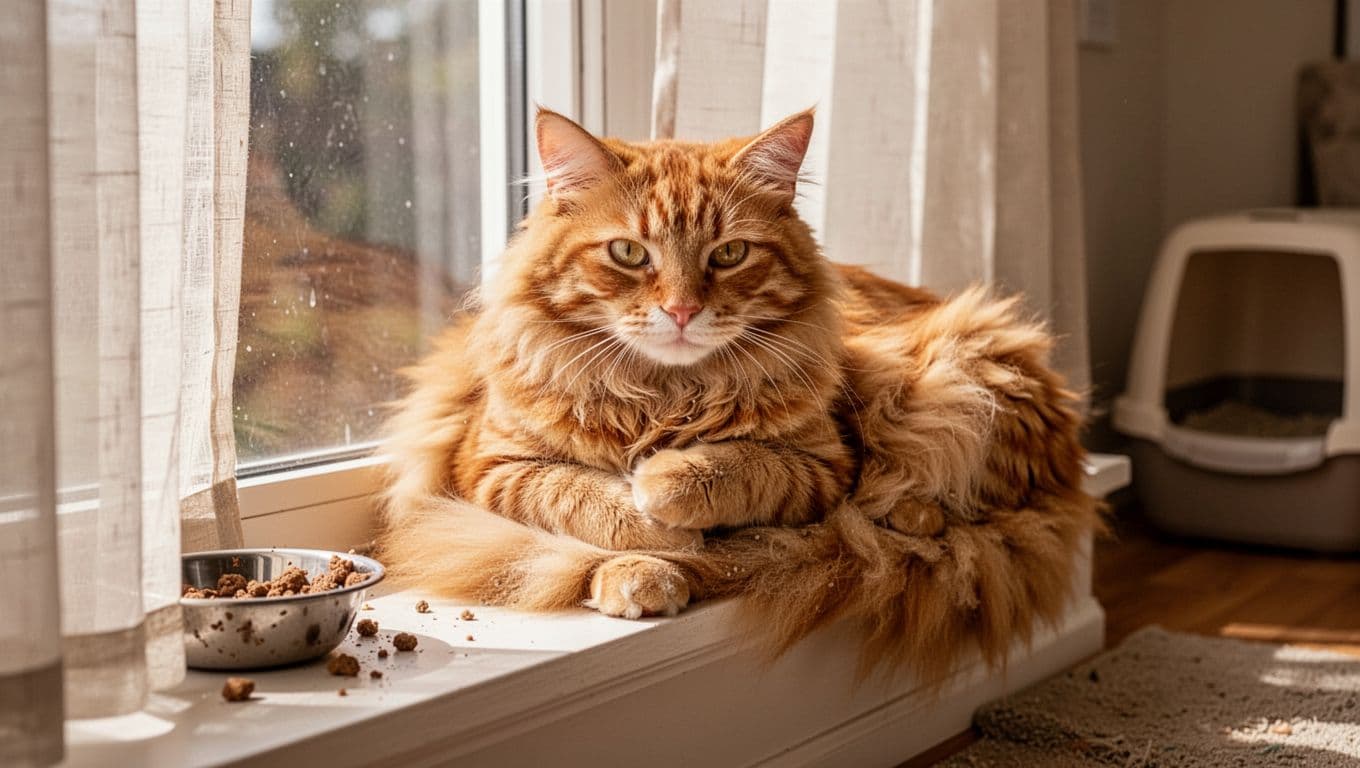 A relaxed cat at home can still have subtle health changes that only show up with time or a vet exam, created with AI.
Cats hide pain and changes are easy to miss at home
Cats are quiet about discomfort because hiding weakness is an instinct. Many will keep eating, purring, and jumping, even when something hurts. That’s why “she seems fine” is not a reliable health check.
Instead, look for small shifts that stick around for more than a day or two. Common signs people brush off include:
- Sleeping more or staying in one spot longer than usual
- Eating a bit less (or being picky when they used to be eager)
- Hiding more often, especially at times they’re usually social
- Drinking more water or visiting the water bowl more frequently
- Bad breath, drooling, or chewing on one side
- Weight changes, even if your cat’s appetite seems “normal”
- Grooming less (a greasy coat, mats, dandruff) or overgrooming one area
- Litter box changes, such as smaller clumps, bigger clumps, straining, accidents, or going more often
A tricky part is that these signs can look like “personality” or “aging.” Your cat might simply stop jumping to the dresser, for example, and you assume they got lazy. In reality, joint pain or dental pain can make normal behavior feel like a chore.
Tracking helps you notice patterns. Keep it simple and realistic, because you will only do it if it’s easy. A quick note on your phone works:
- Appetite (normal, slightly down, picky)
- Water intake (same, more)
- Litter box (normal clumps, smaller, larger, more frequent)
- Energy and behavior (hiding, less play)
Bring those notes to the visit. Even small details help your vet connect the dots. If you want a longer list of subtle illness clues, this overview from a cat-only veterinary hospital lines up well with what many vets see in everyday practice.
If you’re thinking, “It’s probably nothing,” write it down anyway. A pattern is often more important than a single off day.
A vet can spot issues you cannot see
At home, you see your cat in their comfort zone, which is helpful. Still, you can’t listen to their heart, check deep ear canals, or feel their abdomen the way a vet can. A hands-on exam turns “seems okay” into real data.
During a routine cat check-up, a vet may catch things like:
- Heart murmurs or rhythm changes heard with a stethoscope
- Dental disease hiding under the gumline, even when your cat still eats
- Ear infections or mites, which often start as mild head shaking
- Skin problems, including allergies, fleas, or small wounds under the fur
- Dehydration, which can be subtle until it becomes a bigger issue
- Lumps and bumps, including tiny ones you haven’t felt yet
- Joint pain or stiffness, especially in hips, knees, elbows, and spine
- Weight and body condition trends, including muscle loss that happens gradually
One of the biggest benefits of routine visits is the comparison to your cat’s own history. Your vet isn’t just checking what’s “normal for cats.” They’re checking what’s normal for your cat. A weight that is still in a “healthy range” might be concerning if it’s down two pounds from last year. The same goes for a new heart sound, a change in gum color, or a bump that was not there before.
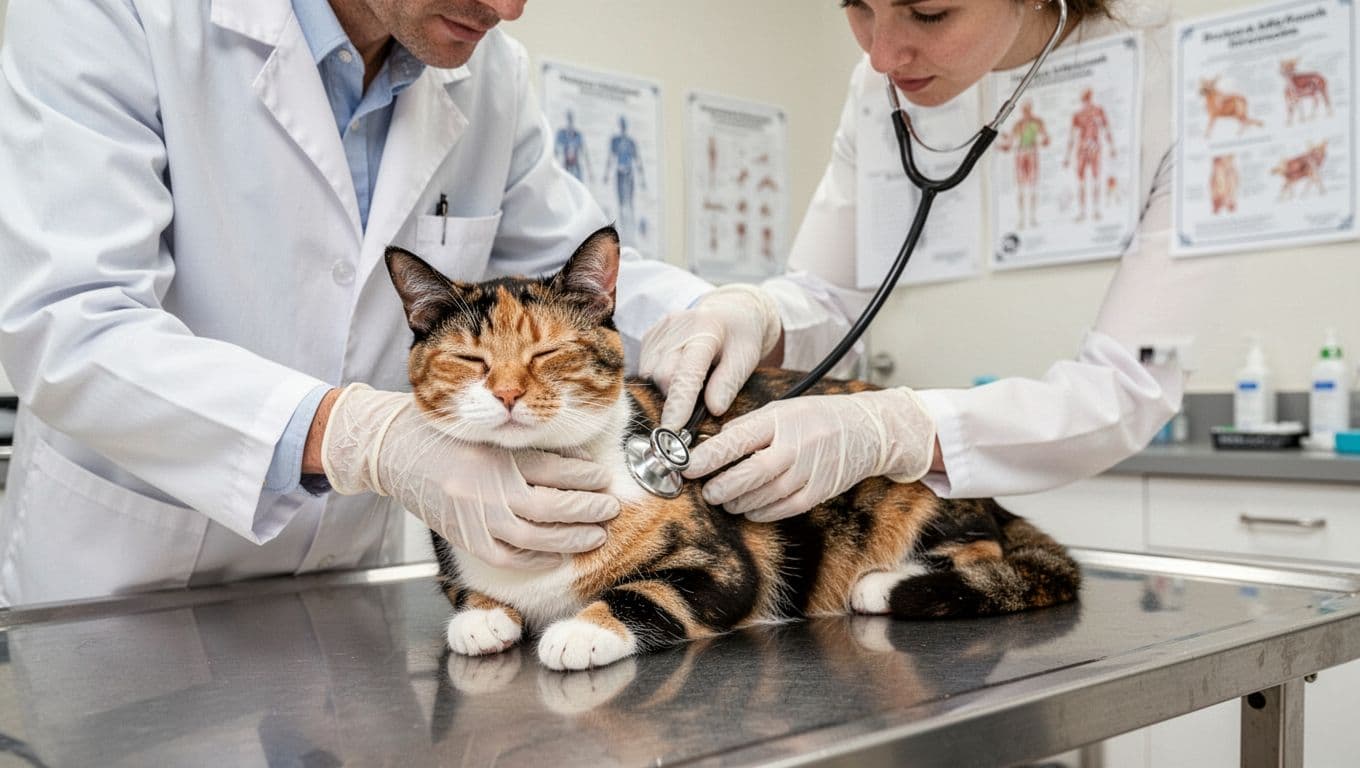 A hands-on wellness exam can reveal issues that are hard to spot at home, created with AI.
Here’s a simple way to think about it. Home checks tell you, “My cat is acting like my cat.” Vet checks tell you, “My cat’s body is working like it should.”
Early care often costs less and is easier on your cat
When a problem is small, treatment is usually simpler. It often means fewer meds, fewer tests, and a quicker recovery. Just as important, your cat spends less time feeling crummy.
A few real-world examples make this clear:
Dental tartar before extractions. A little buildup and mild gum inflammation can often be handled with a professional dental cleaning and at-home care. If it goes on for years, teeth can loosen, roots can get infected, and extractions become more likely. Many cats keep eating through dental pain, so the mouth can look “fine” until it’s not.
Early kidney changes before severe illness. Kidney disease can start quietly. Cats may drink a little more, lose a bit of weight, or act slightly less playful. If your vet finds early changes on exams or lab work, you may have more options to support kidney function and hydration. That can mean a better quality of life over time. (If you want a plain-language look at why routine screening matters, this discussion of diagnostic screening in cats explains why “seems healthy” can be misleading.)
Treating parasites before bigger problems. Fleas, mites, and intestinal worms can start as mild itching or soft stool. Left alone, they can trigger skin infections from scratching, weight loss, or anemia in some cases. Prevention and early treatment are usually straightforward.
To keep this calm and practical, it helps to compare two approaches side by side:
| Approach | What it looks like | Typical outcome |
|---|---|---|
| Wait until something is wrong | You notice clear symptoms (not eating, hiding all day, weight loss you can see). | More testing, more stress, and a longer path back to normal. |
| Catch it early with check-ups | A vet finds mild changes before your cat feels truly sick. | Simpler care plans, less discomfort, and fewer urgent visits. |
The goal isn’t to turn you into a full-time cat detective. It’s to give your cat routine check-ups that do the hard work for you. When you pair those visits with your day-to-day observations, you get the best of both worlds.
What a cat wellness visit usually includes, and why each part matters
A good cat wellness visit is like a yearly home inspection, not because something is “wrong,” but because small problems are easier to fix when you catch them early. The appointment also creates a record over time, so your vet can spot trends that are almost impossible to see at home.
 Photo by Наталья Севрук
Most visits move in a steady rhythm. You’ll answer a few questions about eating, drinking, litter box habits, and behavior. Then your vet (and often a tech) checks your cat from nose to tail, talks through prevention like vaccines and parasite control, and decides if any testing makes sense today. If you want to get more out of the visit, bring a quick note on your phone with changes you’ve seen, the food brand and amount you feed, and any meds or supplements.
Below is what’s usually included, plus why each piece matters for prevention.
Nose to tail physical exam, weight, and body condition score
The physical exam is your vet’s chance to “read” your cat with their hands, eyes, and ears. They’ll look at the eyes and ears, check the nose and throat, listen to the heart and lungs, feel the abdomen, check lymph nodes, scan the skin and coat, and gently flex joints. They also look for pain signals that cats hide well, like subtle tensing, a flinch, or a guarded posture.
Weight is part of that exam, but it’s only one number. What matters just as much is how that weight is carried, which is where body condition score (BCS) comes in. In plain language, BCS is a quick way to describe your cat‘s shape and fat cover:
- A healthy cat usually has ribs you can feel with light pressure, but you shouldn’t see each rib.
- From above, you should notice a waistline, not a straight tube.
- From the side, the belly should tuck up a bit, rather than swing low.
Because fur can hide a lot, your vet will use hands as much as eyes. If you want a simple visual of what “ideal” feels like, this overview of cat body condition score matches the way many clinics explain it.
The reason vets take weight and BCS seriously is that trends can predict problems. Slow weight gain often lines up with reduced activity, overfeeding, or too many calorie-dense treats, and it raises the risk for diabetes over time. Extra weight also adds stress to joints, so it can make arthritis show up sooner or feel worse. On the other hand, unexpected weight loss can be a red flag, even if your cat still eats. Cats who drop weight quickly can be at risk for serious liver trouble (hepatic lipidosis), especially if they stop eating well.
That’s why weighing at every visit matters. One reading is a snapshot. Several readings create a timeline. A timeline helps your vet notice that your cat is down half a pound since last year, losing muscle along the back, or slowly creeping up in weight each visit. Those patterns often show up before you notice anything at home.
Questions worth asking during this part of the visit: “Is my cat’s BCS ideal today?”, “Are you seeing muscle loss or just fat gain?”, and “If the scale changes next time, what would worry you?”
Vaccines and risk-based protection (not one size fits all)
People sometimes picture vaccines as a fixed menu, but cat vaccine plans work better when they fit your cat’s real life. Your vet typically talks about two categories in simple terms: core vaccines and lifestyle-based (non-core) vaccines.
Core vaccines protect against diseases that are widespread, serious, and easier to catch than many people think. Even cats that stay indoors can still need core protection, because exposure can happen through a new pet, a stray at the window, or an unexpected escape outside. Lifestyle-based vaccines are added when your cat’s routine increases risk.
What changes the plan? Your vet usually weighs a few practical factors and adjusts timing, product choice, and how often boosters make sense:
Indoor-only vs. outdoor access matters, but it’s not the only factor. A cat that never goes outside but lives in a multi-cat home may have more exposure risk than a solo cat. Cats that visit groomers, boarding facilities, shelters, or rescue events can face higher disease exposure, even if those visits are occasional. Travel also changes things, because different regions can have different disease pressure. Local outbreaks and shelter intake trends can shift a clinic’s recommendations too.
This is also where a good vet avoids “overdoing it.” More vaccines are not automatically better. Instead, your vet customizes the schedule to protect your cat while keeping the plan reasonable. If you like having a neutral reference for what “core” often means and how schedules are commonly organized, the WSAVA cat vaccination table is a helpful high-level guide, even though your vet will still tailor it to your cat.
A quick way to make this part of the appointment smoother is to talk in everyday scenarios. Say, “My cat is indoor-only but I foster sometimes,” or “We might start boarding twice a year,” or “One cat goes outside and the others don’t.” Those details are the difference between a plan that fits and one that misses the mark.
Questions to ask here: “Which vaccines are core for my cat?”, “Which are optional based on lifestyle?”, “What side effects should I watch for at home?”, and “If my cat’s routine changes, when should we update the plan?”
Parasite prevention for fleas, ticks, worms, and heartworm
Parasite prevention is easy to skip when your cat “doesn’t go outside.” Still, indoor cats can and do get parasites. Fleas can hitch a ride on pant legs or a visiting pet. Mosquitoes can get inside through a door opening or a torn screen. Some parasites can also spread through shared spaces in apartments, hallways, or multi-pet households.
Vets often talk through parasite prevention in two parts: what your cat is most likely to be exposed to, and what product choice makes sense for that risk. Depending on where you live and your cat’s lifestyle, your vet may recommend a monthly topical or monthly oral medication that targets fleas and possibly ticks, plus protection for common intestinal worms. In some areas and households, they may also recommend heartworm prevention, since heartworm is spread by mosquitoes and indoor life does not equal zero risk. This article on heartworm prevention for indoor cats explains why vets still bring it up.
Consistency matters more than perfection. Parasites do not follow a calendar you can see, and missed doses can leave a gap big enough for fleas to establish in the home. Once fleas settle in, you may end up treating the cat, the environment, and possibly other pets at the same time. Prevention is usually simpler.
Many wellness visits also include, or at least discuss, stool testing. A fecal test looks for evidence of intestinal parasites. Even when you do prevention, testing can help confirm that the plan is working and catch problems early. Parasites can show up as weight loss, a rough coat, vomiting, diarrhea, or lower energy. Some cats look normal but slowly lose body condition.
If you want to talk like a pro in the exam room, mention how often you see vomiting or soft stool, whether your cat hunts bugs, and whether any pets in the home go outdoors. Those details help your vet choose a plan you can actually keep up with.
Questions to ask: “What parasites are most common in our area?”, “Do you recommend year-round prevention or seasonal?”, “Should we do a stool test today?”, and “Is this product safe with my cat’s age and health history?”
Dental checks, because mouth pain changes everything
A dental check is not just about fresh breath. Mouth pain can change eating, grooming, mood, and even social behavior. Some cats stop chewing hard kibble and start swallowing it whole. Others walk away from food after a few bites, then beg later because they are still hungry. You may also notice drooling, pawing at the mouth, head shaking, or a sudden “grumpy” attitude when you touch the face.
During a wellness visit, your vet looks at the teeth and gums as much as your cat allows. They check gum color, swelling, tartar buildup, and obvious broken teeth. They also look for signs that point to common cat dental issues:
Gingivitis is inflammation of the gums. In simple terms, the gumline looks red, puffy, or bleeds easily. Tartar is the hard buildup on teeth that starts as plaque, then mineralizes. Resorptive lesions are painful defects where the tooth structure breaks down, often near the gumline. Cats can have resorptive lesions even if the visible part of the tooth looks “okay,” which is why dental X-rays matter when a cleaning is done.
This matters for prevention because dental disease tends to worsen quietly. Cats adapt, so you may not see obvious pain until it is advanced. If you want a plain-language overview of how common dental disease is and what it can look like, International Cat Care’s dental disease guide is a solid resource.
At a check-up, your vet can also talk through next steps based on what they see today. If there is mild tartar and mild gum irritation, they may suggest home care that you can actually stick with, like dental treats approved for oral health, water additives, or brushing training in tiny steps. If there is significant tartar, gum disease, or suspected painful lesions, they may recommend a professional dental cleaning. That cleaning is done under anesthesia so the team can clean under the gumline, take dental X-rays, and treat problems that you cannot see when your cat is awake.
Questions to ask: “Do you see gum inflammation?”, “Are there signs of resorptive lesions?”, “Would a dental cleaning likely help this year?”, and “What are the most realistic home dental steps for my cat?”
If your cat gets picky, stops grooming, or seems “touchy,” ask for a mouth check. Dental pain is one of the most missed causes of behavior change.
Lab work and screening tests that catch hidden problems early
A physical exam tells your vet a lot, but it cannot show everything. Lab work and screening tests are how vets catch issues that hide behind a normal-looking coat and a decent appetite. The key is that not every cat needs every test at every visit. Still, routine screening on the right schedule can spot early disease and give you more options.
Common screening tests are straightforward once you translate them into plain language:
Bloodwork checks things like hydration status, signs of infection or inflammation, anemia, blood sugar, and organ-related values. It helps screen for problems such as diabetes, anemia, and some infections. Urine testing looks at concentration (how well the kidneys are doing their job), checks for protein, and looks for signs of infection or crystals. Even when a cat acts fine, urine changes can be an early clue that something is brewing.
Many clinics also recommend blood pressure checks, especially for older cats. High blood pressure can ride along with kidney disease or thyroid disease, and cats do not always show obvious signs until damage is done. The cuff goes on a leg or tail, and the team aims for a calm reading. If your cat hates handling, it’s okay to ask about ways to make it less stressful, like doing it after a few minutes of quiet time.
For older cats, your vet may add a thyroid test. Hyperthyroidism is common in seniors, and it can show up as weight loss despite a strong appetite, restlessness, or vomiting. Your vet may also talk about newer or more targeted kidney markers that can flag early kidney changes alongside traditional values and urine results. The goal is earlier support, not panic.
Baseline labs are often helpful for adult cats, even if nothing seems wrong. A baseline gives your vet something to compare to later. Seniors, on the other hand, often benefit from more frequent screening because age-related changes can progress faster. Your clinic may have its own approach based on your cat’s history and stress level, but the logic stays the same: fewer surprises, more planning.
If you want a simple explanation of why routine testing gets recommended more as cats age, this overview on senior cat bloodwork reflects the common clinic mindset, even though your vet will tailor the timing.
Questions to ask: “What tests are most useful for my cat’s age?”, “Should we do baseline blood and urine tests this year?”, “What would you consider normal for my cat?”, and “If results are borderline, what happens next?”
A final tip: ask your vet to walk you through results in practical terms. Instead of focusing only on “normal” versus “abnormal,” it helps to ask, “Is this a new change for my cat?” That one question keeps the visit focused on trends, which is where wellness care shines.
How often should cats see the vet at each life stage
Cat vet visit frequency is not one size fits all. Age, lifestyle, and health history all change what “regular” should look like. A kitten’s first year is usually visit heavy, adult cats do best with steady annual exams, and seniors often need a closer eye because body changes speed up.
If you just adopted your cat, plan a baseline visit soon, even if they came with shelter paperwork. Records can be incomplete, and a first exam helps your vet set vaccines, parasite control, and nutrition based on your home. Multi-cat households also benefit from consistent scheduling because one sick cat can expose the others, sometimes before anyone notices.
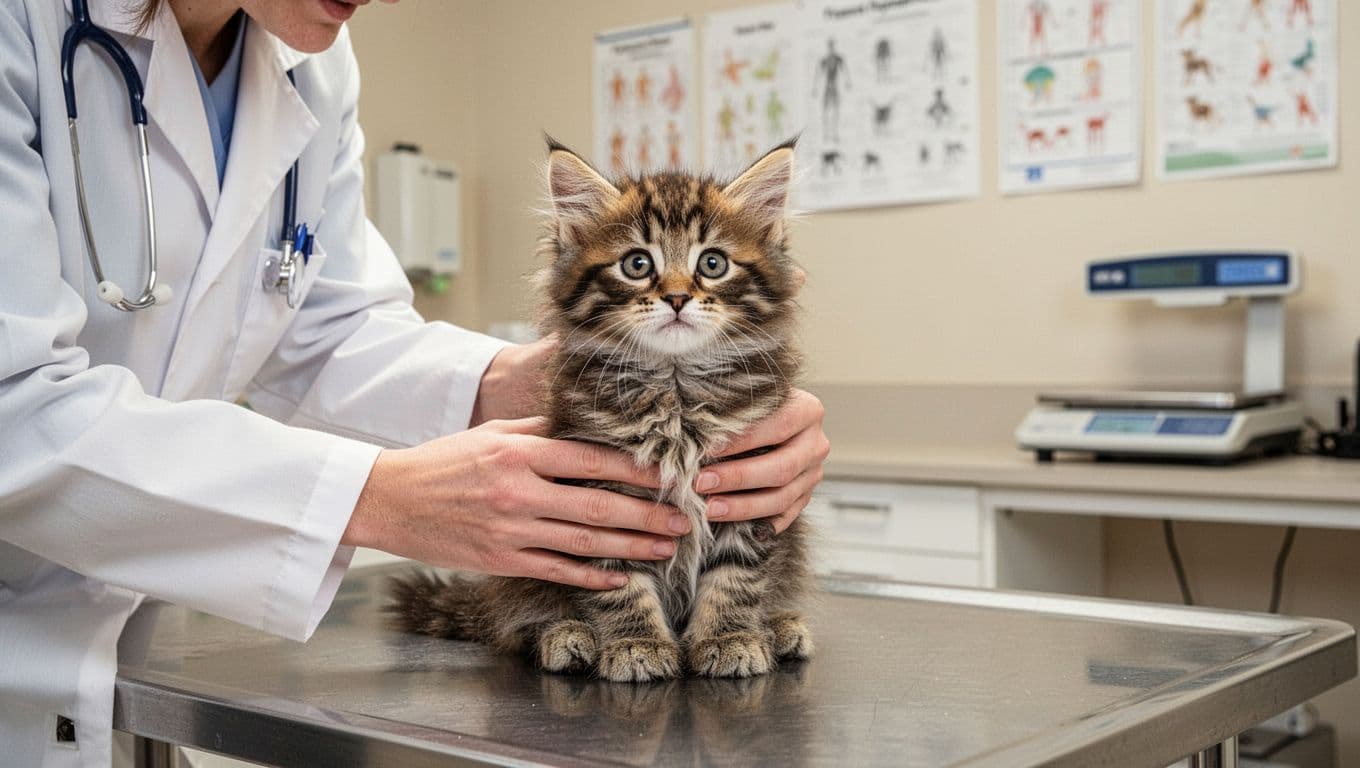 A kitten exam often includes growth checks, vaccine planning, and parasite screening, created with AI.
Kittens need a series of visits to build a healthy foundation
Kittens change fast, so they usually need several vet visits in the first months. Think of it like building a house. The early checks are the foundation, and they help prevent problems that are harder to fix later.
At the first few appointments, your vet will do a full exam and focus on the basics: heart and lungs, eyes and ears, belly feel, hydration, and an overall look for birth defects or early illness. They also track weight and growth every visit, because poor weight gain can be an early warning sign even when energy seems normal.
Most kittens also need a vaccine series that starts young and continues every few weeks until they reach the right age for stronger protection. Your clinic will set the exact schedule based on your kitten’s age and previous records. If you want to see how vets think about age ranges and milestones, the AAHA/AAFP Feline Life Stage Guidelines (PDF) is a helpful reference, even though your vet will tailor it to your kitten.
Parasites are another big early focus. Many kittens arrive with hitchhikers, even indoor ones. Your vet may recommend:
- A fecal test to check for intestinal parasites
- Deworming based on age and risk
- Flea control that is safe for kittens (never guess with over-the-counter products)
Besides medical care, kitten visits are perfect for “real life” questions. Your vet can help you prevent behavior issues before they become habits:
- Litter box help: box size, litter type, number of boxes, and cleaning routine
- Scratching guidance: how to place scratchers, what textures cats like, and how to redirect
- Socialization: gentle handling, carrier training, nail trims, and calm exposure to normal household sounds
If you adopted a kitten and already see diarrhea, sneezing, or watery eyes, don’t wait for the next vaccine date. Young cats can go downhill quickly, so a “small” symptom can deserve a prompt exam.
One more important topic to bring up early is spay and neuter timing. The right timing can depend on your kitten’s health, weight, and home situation. Your vet can walk you through the plan and what to expect before and after surgery.
A practical tip: schedule the next kitten visit before you leave the clinic. It keeps the series on track, and it’s one less thing to remember during the busy first months.
Healthy adult cats still benefit from yearly wellness exams
For most healthy adult cats, “annual” means one wellness exam every 12 months. Some clinics may recommend slightly more often for cats with higher risks, but once a year is the common starting point. The point is not just vaccines. It’s about keeping a steady baseline so small changes stand out.
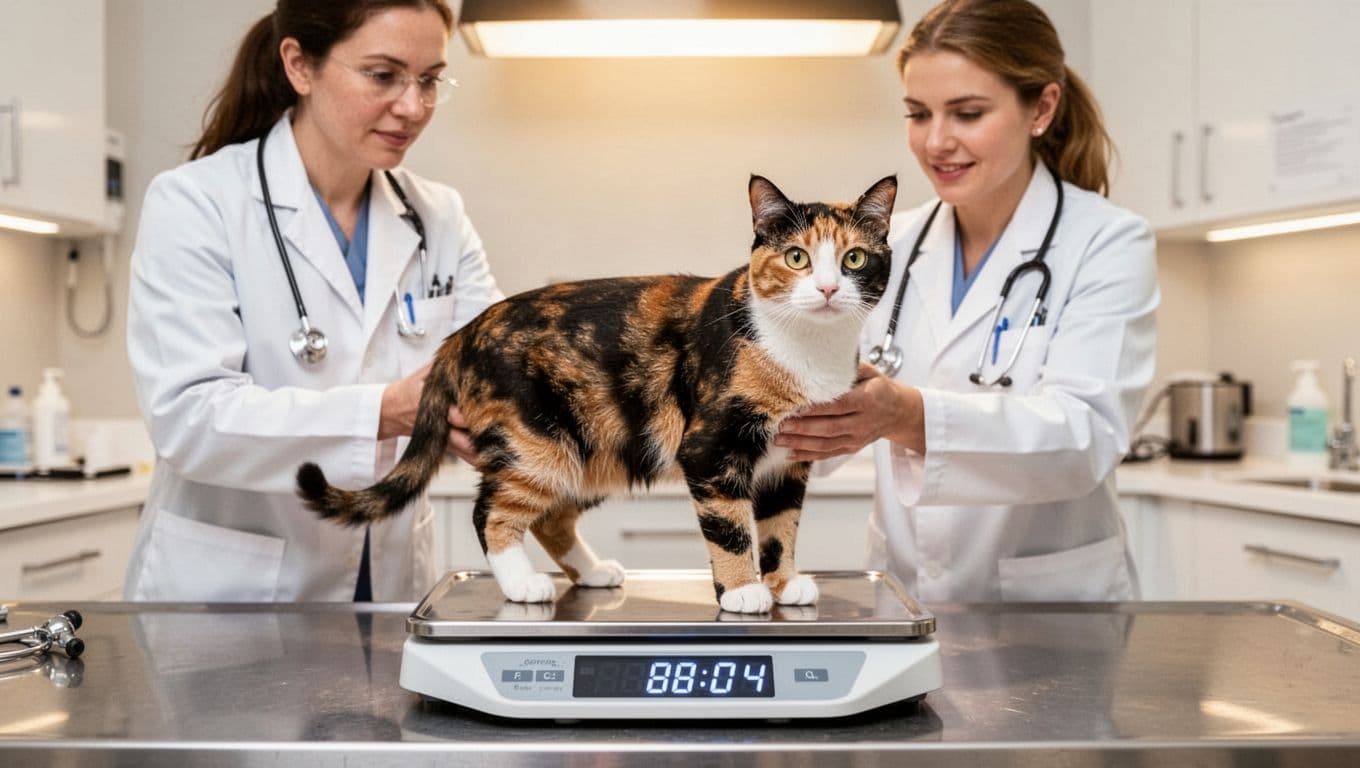 An adult wellness exam often starts with weight and body condition tracking, created with AI.
During adult wellness visits, your vet often focuses on trends. Weight is a big one, because a pound up or down can be meaningful in cats. They will also check muscle condition, not just the number on the scale, since muscle loss can hint at early disease.
Dental health matters here too. Many adult cats have gum inflammation or tartar long before they stop eating. A yearly mouth check helps catch problems early, so your cat is less likely to need extractions later.
Skin and coat get a close look as well. Dandruff, thinning fur, or overgrooming can point to fleas, allergies, pain, or stress. Your vet can also check ears and nails, and talk through simple home care that fits your routine.
Adult visits also help spot early signs of chronic disease. Cats often show subtle clues first, such as:
- Gradual weight loss or muscle loss
- Increased thirst or larger urine clumps
- Mild vomiting that becomes “normal”
- Slower jumping or less interest in play
Indoor cats still need routine care. They can gain weight easily, develop dental disease, or have stress-related issues like urinary problems. They can also pick up parasites in shared spaces, from a visiting pet, or through an open door. Indoor life lowers risk, but it doesn’t erase it.
If you have a multi-cat home, annual exams matter even more because sickness and parasites can spread quietly. It also helps to bring the basics to every visit (food amount, treats, meds, and any litter box changes). In a busy home, details blur fast.
A yearly exam is like a yearly car inspection. You want it before the “check engine” light turns into a tow truck.
Senior cats often need check-ups more than once a year
As cats age, health changes can speed up. That’s why many vets recommend twice-yearly wellness exams for senior cats. Seeing your vet every six months creates more chances to catch problems early, when treatment is simpler and your cat feels better.
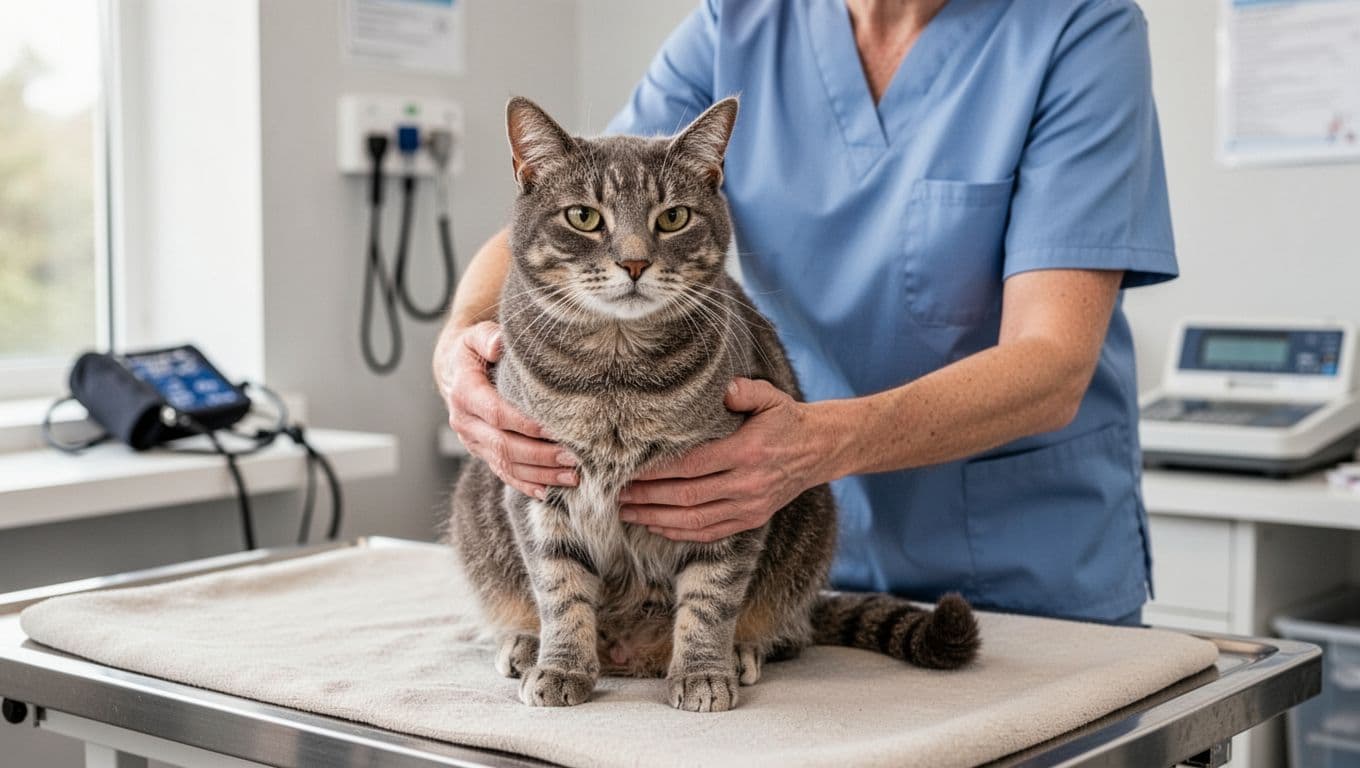 Senior check-ups often include screening for kidney, thyroid, and mobility changes, created with AI.
The most common reasons the schedule changes in seniors include:
Kidney disease: Kidneys often decline with age. Early kidney changes can look like “he’s just drinking more.” Exams paired with lab work can catch trends before your cat feels truly sick.
Thyroid disease (hyperthyroidism): Some older cats lose weight even with a big appetite. They may also seem restless or vomit more. A simple blood test can check thyroid levels.
Arthritis and mobility pain: Many cats don’t limp. Instead, they stop jumping up, hesitate on stairs, or groom less along the back. Your vet can assess joints and suggest realistic pain control options.
Dental disease: Senior mouths often need extra attention. Pain can affect eating, grooming, and mood.
Because seniors can look fine while problems brew, vets often add blood pressure checks and routine lab work (blood and urine) to senior visits. High blood pressure can ride along with kidney or thyroid disease, and cats do not announce it. Lab screening gives you a clearer picture than a physical exam alone.
If your senior cat gets stressed at the clinic, talk to your vet before the appointment. A calmer visit often leads to better blood pressure readings and better exam results. It also makes twice-yearly care more realistic for you and your cat.
For a plain statement from a veterinary organization on visit frequency, the AVMA page on feline preventive healthcare guidelines supports at least annual exams, with more frequent visits for many cats.
If your cat has a chronic condition, the schedule is different
Once a cat has a diagnosed chronic condition, vet visits shift from “check once a year” to “check often enough to stay stable.” The right timing depends on the condition, the meds used, and how steady your cat’s numbers look over time.
Common examples include:
- Chronic kidney disease: rechecks to monitor hydration, weight, bloodwork, urine, and blood pressure
- Diabetes: follow-ups for glucose control, diet changes, and insulin dose adjustments
- Asthma: monitoring breathing, inhaler technique (if used), and triggers in the home
- Hyperthyroidism: medication checks and repeat thyroid levels
- Heart disease: monitoring breathing rate, heart sounds, and medication effects
- Arthritis: pain control check-ins, mobility tracking, and side effect monitoring
In these cases, follow-ups are not “extra.” They help your vet adjust the plan before your cat crashes into an emergency. A dose that worked last month can become too strong or too weak after weight changes, appetite shifts, or normal aging.
Expect chronic-care visits to include a few repeat basics: weight, muscle condition, heart and lung listen, and targeted tests based on the diagnosis. Your vet might also ask you to track one simple thing at home, like resting breathing rate (for heart disease) or water intake and litter clump size (for kidney concerns). Simple tracking turns your daily observations into useful medical info.
If you’re unsure how often to schedule, ask for a clear recheck plan before you leave. A good plan usually answers three questions:
- What are we monitoring? (symptoms, labs, blood pressure, weight)
- When do we recheck if things look good?
- What changes mean we come in sooner?
Newly adopted cats with known chronic issues need an early “transfer of care” visit, even if they seem stable. Medication brands, dosing tools, and baseline labs often vary between clinics. Getting aligned early prevents gaps that can lead to urgent visits later.
Making vet visits less stressful, and more affordable, so you can stay consistent
Even when you know regular cat check-ups matter, real life gets in the way. Your cat hates the carrier, the car ride turns into a yowling concert, and the bill feels like a surprise quiz you didn’t study for.
The good news is that consistency gets easier when you reduce friction. A calmer trip often means a better exam (and better test results), because your vet can listen, feel, and measure without a stressed cat fighting the process. Planning for costs also helps you keep appointments on schedule instead of putting them off until something becomes urgent.
Carrier training and calm travel tips that actually work
<img alt="A cozy pet carrier placed in a sunny living room corner with soft blankets inside, featuring a relaxed gray tabby cat peeking out curiously from the open door amid familiar toys and warm natural light.” src=’https://user-images.rightblogger.com/ai/ccb651fe-b191-4140-a6db-1858ff28916f/cozy-gray-tabby-cat-pet-carrier-sunny-room-e93e6d17.jpg’> Leaving the carrier out helps it feel like furniture, not a trap, created with AI.
Most cats panic because the carrier only appears right before something scary. Instead, make the carrier part of the room, like a small cave your cat can choose. Leave it out all the time, with the door open, in a quiet corner your cat already uses.
Comfort matters more than fancy gear. Add a soft blanket or towel, then sprinkle in a familiar scent. A worn T-shirt that smells like you can help, and so can bedding your cat already sleeps on. If your carrier has a removable top, practice with it open at first so your cat can walk in and out without feeling trapped.
Short practice sessions beat one big battle. Aim for tiny wins a few times a week, even if it is only 30 seconds:
- Put a treat just inside the door, then let your cat walk away.
- Move the treat deeper over time, without closing the door yet.
- Briefly close the door, feed a treat through the bars, then open it again.
- Pick the carrier up for a few seconds, set it down, then reward.
- Work up to short trips to another room, then back home.
If your schedule is packed, keep it simple: do one step while coffee brews or dinner heats. Progress can be slow, and that is still progress.
Covering the carrier helps many cats. Once your cat is inside, drape a light towel over the top and sides so the world feels less loud and bright. Keep the front partially open for airflow. In the car, place the carrier on the floor behind the passenger seat or secure it with a seat belt so it does not slide. A stable carrier is like a steady boat, it reduces the feeling of being tossed around.
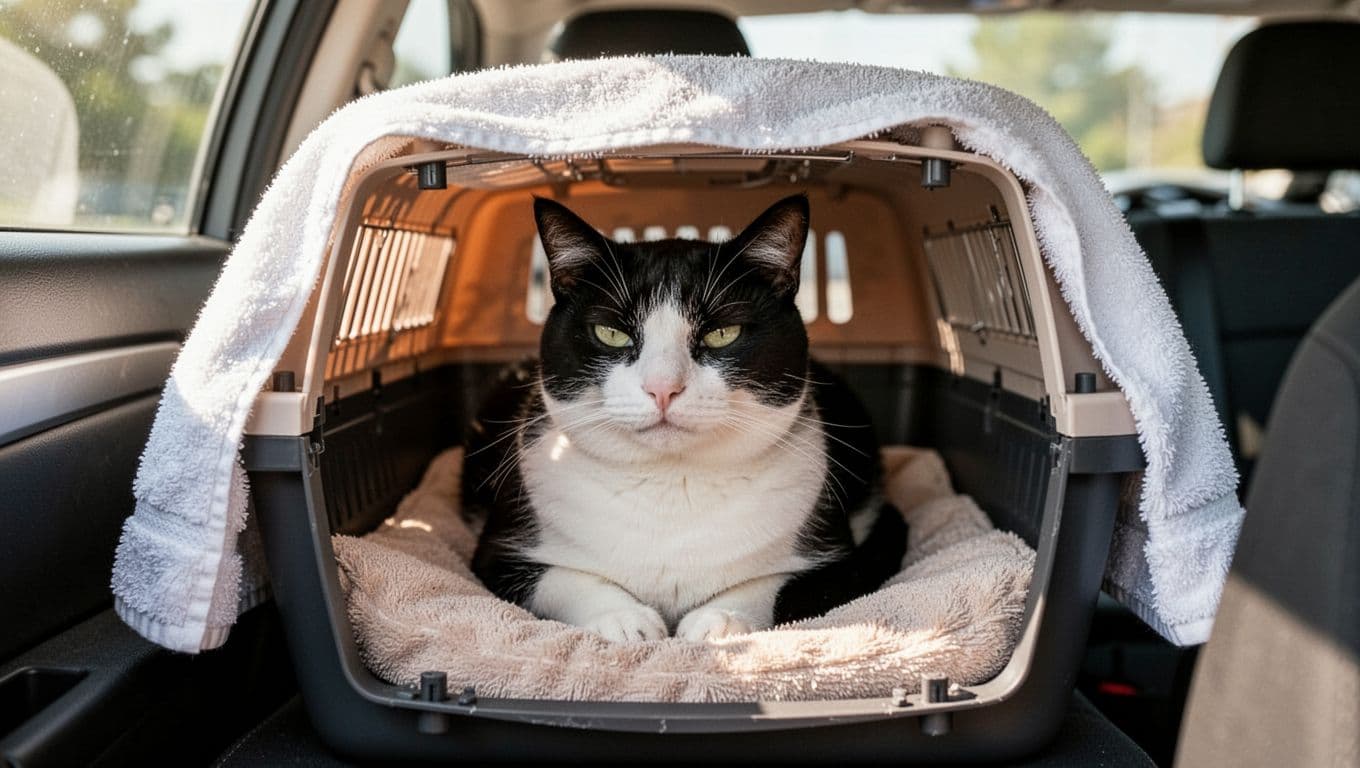 A covered, stable carrier can make car rides feel safer for many cats, created with AI.
Planning ahead is the final piece. Book appointments at quieter times (often mid-morning or mid-afternoon), arrive a few minutes early so you do not rush, and bring an extra towel in case of accidents. If your cat gets carsick, ask the clinic what to do before the next visit instead of guessing. For more practical carrier-training ideas, this guide on reducing carrier stress mirrors what many clinics recommend.
One more tip that helps a lot: look for a cat-friendly clinic, or ask if they use Fear Free style handling. That usually means calmer exam rooms, quieter waiting areas, gentle restraint (often with towels), and a slower pace when needed.
What to tell the vet to get the most out of the appointment
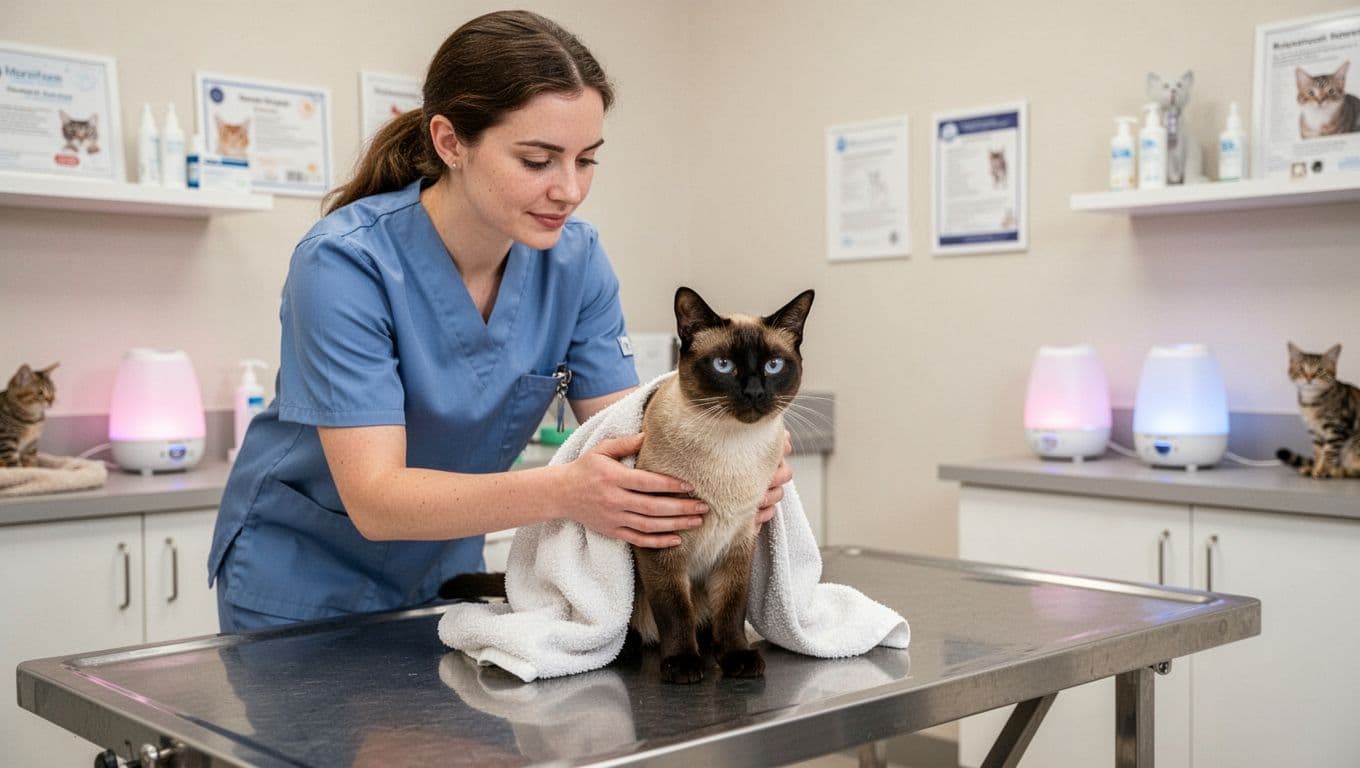 A calm handling approach helps your vet do a more complete exam, created with AI.
A wellness visit goes better when you walk in with a few specifics. Otherwise, it is easy to forget the “small” stuff that matters, like a new habit at the water bowl or a shift in litter box clumps. Think of it like bringing your car to the mechanic. “It makes a weird noise sometimes” is less helpful than “it happens on cold starts, twice a week.”
Keep a short list on your phone. It takes five minutes, and it helps your vet focus the exam and choose the right next steps. Here is what is worth jotting down:
- Diet and treats: Brand, flavor, wet vs. dry, how much per day, and any recent changes.
- Water intake: Same as usual, clearly more, or hard to tell (even “hard to tell” is useful).
- Litter box habits: Clump size, frequency, stool firmness, accidents, straining, or crying.
- Vomiting and hairballs: How often, what it looks like, and whether it happens around meals.
- Activity and mobility: Less jumping, less play, stiffness, or avoiding stairs.
- Meds and supplements: Names, doses, and how often you actually give them.
- Odd behavior: Short videos or photos, since cats love to act normal at the clinic.
- Your questions: One to three priorities, so they get answered even if time feels tight.
Try to be honest about what you can keep up with. If brushing teeth daily will not happen, say so. Your vet can suggest a more realistic plan, like a dental diet, approved dental treats, or a brushing routine that starts with two seconds at a time.
Before you leave, ask for a written plan. A quick summary with next steps, timelines, and what to watch for keeps you consistent at home. Helpful questions sound like: “What are we watching until the next visit?”, “When should I call you?”, and “What is the next recheck date if things look good?”
If you want a simple prep checklist you can compare yours to, this wellness visit prep guide covers the basics without making it feel complicated.
A great appointment is not about perfect answers. It is about clear patterns, honest details, and a plan you will follow.
Understanding costs, and ways to plan for them
Vet costs vary a lot, and it is not because clinics are trying to be mysterious. Price changes with your region, your clinic’s staffing and equipment, and what your cat needs that day. A routine check-up for a healthy adult cat is usually different from a visit that includes vaccines, lab work, a fecal test, or blood pressure.
Dental needs can also swing the budget fast. Mild tartar might mean “watch and plan,” while painful dental disease can lead to anesthesia, dental X-rays, and extractions. That is one reason regular exams help, because you can plan dental care earlier instead of reacting later.
A few factors commonly raise or lower the final bill:
- Where you live (major metro areas often cost more).
- Tests (bloodwork, urine tests, fecal tests, and thyroid checks add up).
- Vaccines (which ones are due, and which are lifestyle-based).
- Parasite prevention (some products cost more but cover more).
- Dental care (cleaning versus cleaning plus extractions).
Instead of hoping for the best, build a simple plan you can stick with. These options help many cat owners stay consistent:
Wellness plans at the clinic. Some clinics offer packages that spread routine care across monthly payments. These often include exams and certain vaccines, and sometimes include basic screening.
Pet insurance (or insurance plus wellness add-ons). Insurance can help with unexpected illness and injury. Some plans also offer wellness coverage, depending on the provider and policy.
A small monthly set-aside. Even $20 to $50 a month into a separate “cat fund” can soften the blow when labs or dental care comes up.
Prioritize when money is tight. Ask your vet, “If we can only do one or two tests today, which matter most for my cat’s age and history?” That question is practical, and most clinics respect it.
Just as important, talk about costs upfront. Ask for a written estimate before agreeing to tests. Clinics do this all the time, and it prevents stress later at checkout. If you want a general sense of what influences pricing, this breakdown of typical vet visit costs explains why “average” is only a starting point.
When a check-up is not enough, signs your cat needs urgent care
Wellness visits prevent a lot, but they do not replace urgent care when something is truly wrong. Cats can crash fast, and waiting overnight “to see how it goes” can close the window for easier treatment.
Call your vet or an emergency clinic right away if your cat has trouble breathing, has not eaten for about a day (especially if they seem unwell), vomits repeatedly, strains in the litter box or cannot pass urine, shows sudden weakness, collapses, cries out in severe pain, has uncontrolled bleeding, has a seizure, or you suspect toxin exposure (like lilies, certain human meds, or rodent bait). If you are unsure, call anyway and describe what you see.
For a quick reference list you can keep bookmarked, this overview of signs a cat needs an emergency vet matches the common “do not wait” red flags.
The simplest rule is this: if your cat looks like they cannot get comfortable, cannot breathe normally, or cannot use the litter box normally, treat it as urgent and get help fast.
Conclusion
Regular vet check-ups for cats work because they turn guesswork into patterns. Your vet can spot early changes in weight, teeth, joints, kidneys, thyroid, and blood pressure before your cat looks sick. As a result, you often get simpler treatment options and fewer stressful surprises.
Just as important, routine visits keep prevention tailored to your cat, not a generic checklist. Vaccine timing, flea and worm control, and heartworm risk all depend on lifestyle, region, and household pets. When you review that plan every year (or twice a year for seniors), it stays realistic and up to date.
Dental and parasite care also fit here, because both problems can simmer quietly. A quick mouth check can flag gum pain, resorptive lesions, or tartar before eating changes. Likewise, prevention plus periodic testing helps catch fleas, mites, and intestinal worms early, even for indoor cats. That means better comfort at home, including smoother grooming, steadier appetite, and more normal litter box habits.
Over time, these visits support comfort, not just “good test results.” Cats age fast, and small aches can change sleep, play, and mood. With regular check-ups, you can protect the life you already enjoy together.
Next steps are simple. Book your cat’s next wellness exam now, then ask your vet what schedule fits your cat‘s age and health history. Finally, start a low-stress carrier routine this week (leave it out, add soft bedding, practice short treat trips). What’s one small change you’ve noticed lately that you want to bring up at the visit?